
Everything You Need to Know About the Rough Scaled Python
The scientific name of the Rough Scaled Python is Morelia carinata, and it belongs to the Pythonidae family, which consists of non-venomous constricting snakes commonly referred to as pythons.
Scientific Name: Morelia carinata
Snake Family: Pythonidae
Introduction to the Rough Scaled Python
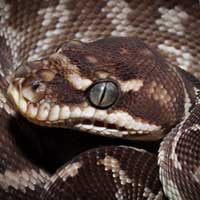
The Rough Scaled Python (Morelia carinata) is a unique species of python native to a small region of Western Australia. Recognized for its rough-textured scales and slender body, this rare snake is highly sought after by experienced reptile enthusiasts. Despite its limited natural range, the Rough Scaled Python has become popular in captivity due to its manageable size and intriguing behavior. This comprehensive guide delves into its habitat, diet, behavior, health, and care requirements, providing valuable insights for keepers and enthusiasts alike.
Where Does the Rough Scaled Python Live?
The Rough Scaled Python inhabits a very specific region in Western Australia, primarily within the Kimberley area. Understanding its natural environment is crucial for successful care in captivity.
- Geographic Range: Endemic to the Kimberley region of Western Australia.
- Preferred Habitat: Rocky escarpments and gorges.
- Climate: Tropical with distinct wet and dry seasons.
| Region | Habitat Type | Key Features |
|---|---|---|
| Kimberley | Rocky Escarpments | Ample shelter, moderate temperatures |
| Gorges | Riparian Zones | Access to water, dense vegetation |
Diet and Feeding Habits of the Rough Scaled Python
The Rough Scaled Python is a carnivorous predator that preys on small vertebrates in the wild. Its diet in captivity can be replicated with proper care and feeding practices.
- Natural Diet: Birds, small mammals, and reptiles.
- Feeding Frequency:
- Juveniles: Every 5-7 days to support growth.
- Adults: Every 10-14 days depending on size and activity level.
- Captive Feeding Tips:
- Offer pre-killed, thawed rodents such as mice or rats.
- Feed in the evening to mimic natural hunting patterns.
- Adjust portion sizes to match the snake’s girth and avoid overfeeding.
Behavior and Temperament of the Rough Scaled Python
The Rough Scaled Python is known for its shy and reclusive nature, which can make it a rewarding challenge for patient keepers.
- Activity Patterns: Primarily nocturnal, but may bask during the day in cooler weather.
- Defensive Behavior: Typically docile, but may hiss or strike if threatened.
- Interaction with Humans: Adapts well to handling when introduced gradually and consistently.
Building trust through consistent handling and providing a stress-free environment are key to maintaining a healthy and happy Rough Scaled Python.
Health and Lifespan of the Rough Scaled Python
The Rough Scaled Python can live 15-20 years in captivity with proper care. Regular health monitoring and maintaining optimal conditions are essential for their wellbeing.
- Common Health Issues:
- Respiratory infections caused by low humidity or improper temperatures.
- Shedding problems (dysecdysis) due to insufficient humidity.
- Parasite infestations such as mites or ticks.
- Preventive Measures:
- Maintain humidity levels between 50-70%.
- Provide a temperature gradient with basking spots at 88°F-92°F.
- Ensure regular enclosure cleaning and routine health checks.
Reproduction and Breeding of the Rough Scaled Python
The Rough Scaled Python is oviparous, laying eggs during the breeding season. Successful breeding in captivity requires careful attention to their specific needs.
- Mating Season: Typically occurs during the cooler months.
- Clutch Size: 6-15 eggs per clutch.
- Incubation Period: 55-65 days at temperatures of 86°F-88°F.
- Breeding Tips:
- Simulate seasonal changes to encourage breeding behavior.
- Provide a nesting box with appropriate substrate for egg-laying.
- Monitor incubation conditions to ensure healthy hatchlings.
Handling and Caring for a Rough Scaled Python
Handling and caring for a Rough Scaled Python requires patience and consistency. With proper care, these snakes can thrive and become fascinating pets.
- Enclosure Requirements:
- Minimum size: 3’ x 2’ x 2’ for adults.
- Include secure hiding spots and climbing branches.
- Maintain proper ventilation and temperature control.
- Handling Tips:
- Handle gently and support the snake’s entire body.
- Avoid handling during shedding or immediately after feeding.
- Wash hands before and after handling to maintain hygiene.
By meeting their specific needs, the Rough Scaled Python can provide years of enjoyment and fascination for its keeper.
Other Snakes In This Species
 Amethystine Python
 Ball Python
 Black-Headed Python
 Boelens Python
 Borneo Blood Python
 Burmese Python
 Burrowing Python
 Centralian Python
 Childrens Python
 Coastal Carpet Python
 Diamond Python
 Green Tree Python
 Indian Python
 Inland Carpet Python
 Jungle Carpet Python
 Macklots Python
 Malaysian Blood Python
 Olive Python
 Pygmy Python
 Reticulated Python
 Ringed Python
 Rock Python
 Rough Scaled Python
 Spotted Python
 Sumatran Blood Python
 Timor Python
 White Lipped Python