
Discover the Fascinating World of the Indian Python
The scientific name of the Indian Python is Python molurus, and it belongs to the Pythonidae family, which includes non-venomous constricting snakes commonly referred to as pythons.
Scientific Name: Python molurus
Snake Family: Pythonidae
Introduction to the Indian Python
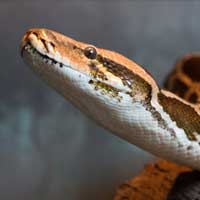
The Indian Python (Python molurus) is a non-venomous snake native to the Indian subcontinent. Known for its massive size and striking patterns, this python is both a marvel of nature and a revered species in its native habitat. The Indian Python is closely related to the Burmese Python and is recognized for its role in maintaining ecological balance. In this guide, we explore the Indian Python’s habitat, diet, behavior, health, reproduction, and care needs.
Where Does the Indian Python Live?
The Indian Python is highly adaptable and can be found in a variety of habitats across its range. Understanding its natural environment is key to providing proper care in captivity.
- Geographic Range: Found across India, Pakistan, Nepal, Bhutan, Bangladesh, and Sri Lanka.
- Preferred Habitat: Grasslands, swamps, forests, and rocky foothills.
- Climate: Warm and tropical with seasonal variations in temperature and rainfall.
| Region | Habitat Type | Key Features |
|---|---|---|
| India | Grasslands | Open areas with abundant prey |
| Sri Lanka | Swamps | High humidity, water sources |
| Nepal | Rocky Foothills | Shelter in crevices, temperate climate |
Diet and Feeding Habits of the Indian Python
The Indian Python is a carnivorous predator that primarily feeds on mammals and birds. In captivity, providing a suitable diet is straightforward with proper planning.
- Natural Diet: Small to medium-sized mammals, birds, and occasionally reptiles.
- Feeding Frequency:
- Juveniles: Every 5-7 days to support growth.
- Adults: Every 10-14 days, depending on size and activity level.
- Captive Feeding Tips:
- Offer pre-killed, thawed rodents to prevent injury.
- Feed at night to align with their natural hunting behavior.
- Monitor for signs of overfeeding, such as lethargy or obesity.
Behavior and Temperament of the Indian Python
The Indian Python is generally shy and non-aggressive. However, its size and strength require careful handling and respect.
- Activity Patterns: Primarily nocturnal, with increased activity during the night.
- Defensive Behavior: Prefers to retreat when threatened but may coil or hiss if cornered.
- Interaction with Humans: Can tolerate handling when introduced gradually and calmly.
With consistent interaction and a stress-free environment, the Indian Python can adapt well to captivity.
Health and Lifespan of the Indian Python
The Indian Python can live 20-30 years in captivity with proper care. Regular monitoring of their health and environment is crucial to their wellbeing.
- Common Health Issues:
- Respiratory infections caused by low humidity or improper temperatures.
- Shedding problems (dysecdysis) due to insufficient humidity.
- Parasitic infestations such as mites and ticks.
- Preventive Measures:
- Maintain humidity levels between 60-80%.
- Provide a temperature gradient with basking spots at 88°F-92°F.
- Ensure a clean enclosure and regular health checks.
Reproduction and Breeding of the Indian Python
The Indian Python is oviparous, laying eggs during the breeding season. Successful breeding requires careful attention to environmental conditions.
- Mating Season: Typically occurs during the cooler months.
- Clutch Size: 20-100 eggs per clutch.
- Incubation Period: 60-80 days at temperatures of 86°F-88°F.
- Breeding Tips:
- Simulate seasonal changes to encourage mating behavior.
- Provide a suitable nesting box with moist substrate.
- Monitor incubation conditions closely for optimal hatching results.
Handling and Caring for an Indian Python
Handling and caring for an Indian Python requires experience and commitment due to its size and specific needs.
- Enclosure Requirements:
- Minimum size: 8’ x 4’ x 4’ for adults.
- Include secure hides, climbing branches, and a large water dish for soaking.
- Maintain proper lighting and temperature gradients.
- Handling Tips:
- Support the snake’s body fully during handling.
- Avoid handling during shedding or immediately after feeding.
- Always handle large snakes with assistance for safety.
With proper care and respect, the Indian Python can thrive and provide years of fascination for reptile enthusiasts.
Other Snakes In This Species
 Amethystine Python
 Ball Python
 Black-Headed Python
 Boelens Python
 Borneo Blood Python
 Burmese Python
 Burrowing Python
 Centralian Python
 Childrens Python
 Coastal Carpet Python
 Diamond Python
 Green Tree Python
 Indian Python
 Inland Carpet Python
 Jungle Carpet Python
 Macklots Python
 Malaysian Blood Python
 Olive Python
 Pygmy Python
 Reticulated Python
 Ringed Python
 Rock Python
 Rough Scaled Python
 Spotted Python
 Sumatran Blood Python
 Timor Python
 White Lipped Python