
Everything You Need to Know About the Ball Python
The scientific name of the Ball Python is Python regius. It belongs to the snake family Pythonidae, which comprises non-venomous constricting snakes commonly referred to as pythons.
Scientific Name: Python regius
Snake Family: Pythonidae
Introduction to the Ball Python
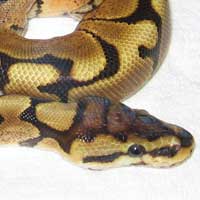
The Ball Python (Python regius), also known as the Royal Python, is one of the most popular pet snakes due to its manageable size and gentle temperament. Native to sub-Saharan Africa, this non-venomous constrictor is ideal for both novice and experienced reptile keepers. Its name derives from its defensive behavior of curling into a ball when threatened. This guide will provide an in-depth look at the Ball Python’s care, habitat, diet, and more.
Where Do Ball Pythons Thrive?
Ball Pythons are native to grasslands, savannas, and open forests of sub-Saharan Africa. They are primarily terrestrial but occasionally climb trees or shrubs. Their natural environment is warm and humid, and they often seek shelter in burrows or beneath rocks.
- Regions: West and Central Africa, including Ghana, Togo, and Benin.
- Preferred Habitat: Grasslands, savannas, and lightly forested areas.
- Climate: Warm temperatures between 75°F-90°F with humidity levels around 50-70%.
| Region | Habitat Type | Key Features |
|---|---|---|
| Ghana | Savanna | Open grasslands with scattered trees |
| Togo | Grasslands | Warm and dry climate |
| Benin | Forested Areas | High humidity, dense vegetation |
What Do Ball Pythons Eat?
Ball Pythons are carnivorous snakes that primarily feed on small mammals and birds. In captivity, their diet typically consists of appropriately sized rodents.
- Preferred Prey: Mice, rats, and occasionally chicks.
- Feeding Frequency:
- Juveniles: Every 5-7 days.
- Adults: Every 10-14 days.
- Feeding Tips:
- Always feed pre-killed or thawed prey to prevent injury.
- Feed in a separate enclosure to reduce stress and prevent substrate ingestion.
Understanding the Ball Python’s Behavior and Temperament
Ball Pythons are known for their docile nature, making them a favorite among reptile enthusiasts. They are generally shy and non-aggressive, preferring to hide when feeling stressed or threatened.
- Activity Level: Nocturnal, most active during the evening and night.
- Defensive Behavior: Curling into a ball rather than striking.
- Interaction with Humans: Easy to handle and rarely bite if accustomed to human interaction.
When cared for properly, these snakes can form a bond with their owner, tolerating handling and exhibiting calm behavior.
Ball Python Health and Lifespan
With proper care, Ball Pythons can live 20-30 years in captivity, sometimes even longer. Ensuring their health involves maintaining optimal environmental conditions and monitoring for common health issues.
- Common Health Issues:
- Respiratory infections due to low humidity or cold temperatures.
- Skin shedding problems (dysecdysis).
- Parasites like mites or ticks.
- Preventive Care:
- Provide a clean and appropriately sized enclosure.
- Maintain consistent temperature and humidity levels.
- Offer a balanced diet and avoid overfeeding.
Reproduction and Breeding in Ball Pythons
Ball Pythons are oviparous, laying clutches of eggs that hatch after incubation. Breeding typically occurs during cooler months.
- Mating Season: Late fall to early winter.
- Clutch Size: 4-12 eggs per clutch.
- Incubation Period: 55-65 days at temperatures of 88°F-90°F.
- Breeding Tips:
- Introduce males and females during the breeding season.
- Ensure proper nesting materials and an incubator for egg development.
Handling and Caring for Your Ball Python
Handling and caring for a Ball Python is relatively straightforward but requires consistency and attention to detail. Proper care ensures a healthy and stress-free pet.
- Handling Tips:
- Handle gently and support the snake’s body.
- Avoid handling after feeding or during shedding.
- Enclosure Requirements:
- Minimum size: 36" x 18" x 12" for adults.
- Provide a hide box, climbing structures, and a water dish.
- Temperature: 75°F-80°F (ambient), 88°F-92°F (basking).
- Humidity: 50-60%, increased to 70% during shedding.
With proper care, your Ball Python will thrive and provide years of companionship.
Other Snakes In This Species
 Amethystine Python
 Ball Python
 Black-Headed Python
 Boelens Python
 Borneo Blood Python
 Burmese Python
 Burrowing Python
 Centralian Python
 Childrens Python
 Coastal Carpet Python
 Diamond Python
 Green Tree Python
 Indian Python
 Inland Carpet Python
 Jungle Carpet Python
 Macklots Python
 Malaysian Blood Python
 Olive Python
 Pygmy Python
 Reticulated Python
 Ringed Python
 Rock Python
 Rough Scaled Python
 Spotted Python
 Sumatran Blood Python
 Timor Python
 White Lipped Python