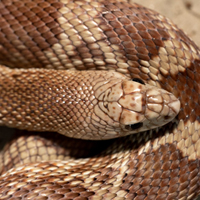

Pine Snakes: A Comprehensive Guide to These Unique Reptiles
Pine Snakes scientific name, Pituophis melanoleucus, refers to a species within the Colubridae family. These snakes are admired for their adaptability and are occasionally kept as pets by reptile enthusiasts. However, they are primarily a species to be appreciated in their natural habitat, where they contribute significantly to their ecosystems.
Scientific Name: Pituophis melanoleucus
Snake Family: Colubridae
Introduction
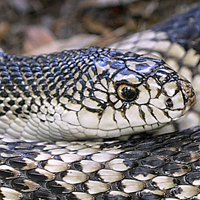
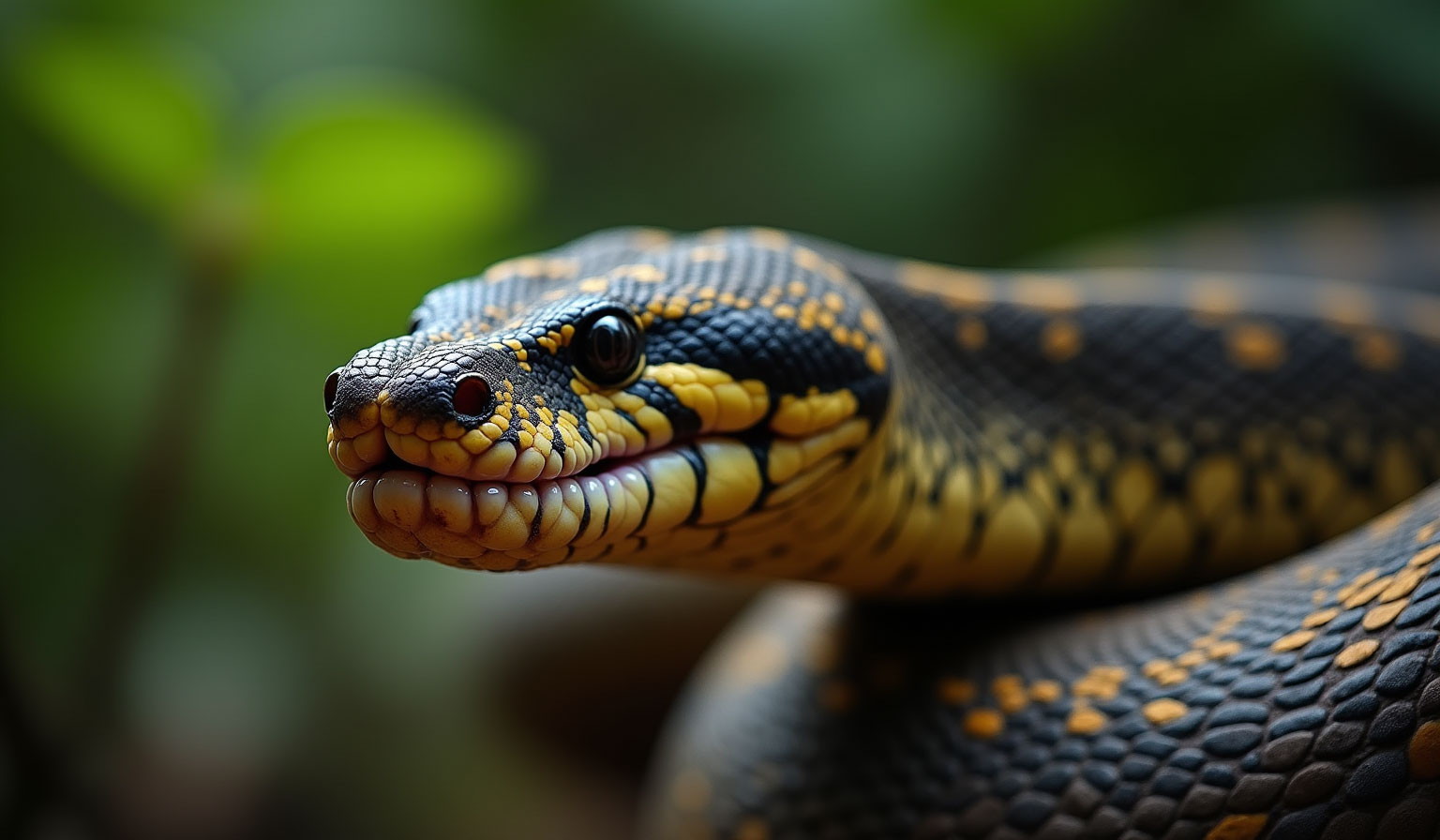
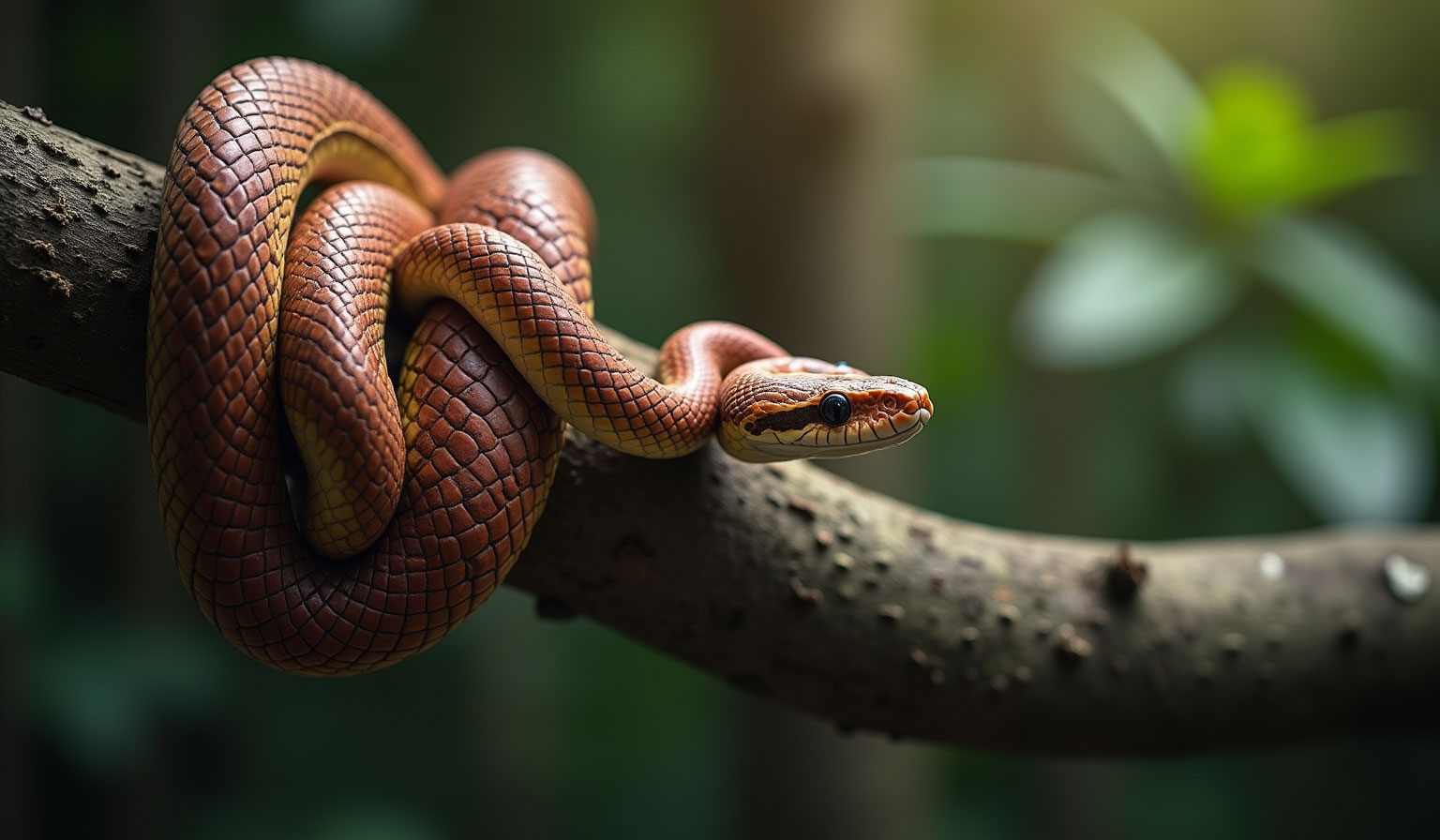
Pine snakes are non-venomous, burrowing snakes native to North America. Known for their impressive size, distinctive markings, and loud hissing sounds, these snakes play a vital role in maintaining ecological balance by controlling rodent populations. Pine snakes are often found in sandy soils and forested areas, where they can easily burrow and hunt for prey.
Pine Snake Habitat: Where Do They Thrive?
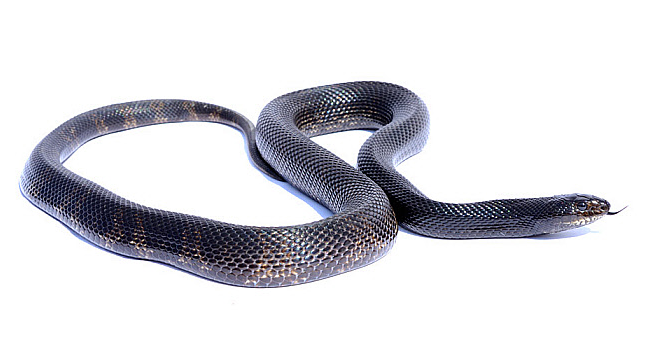
Pine snakes are primarily found in the southeastern and eastern United States, inhabiting regions with sandy soils and open canopies. They thrive in pine forests, sandy woodlands, and scrublands, favoring areas where they can burrow and find prey easily. These snakes are particularly adapted to regions with dry, loose soil, making them excellent diggers.
Preferred Habitat Features:
-
Geographic Range: Southeastern and eastern United States
-
Primary Habitat: Pine forests, grasslands, and scrublands
-
Soil Preference: Loose, sandy soils for burrowing
-
Shelter: Underground burrows, hollow logs, and debris piles
Habitat Data Table:
| Feature | Description |
| Geographic Range | Southeastern, Eastern U.S. |
| Preferred Environment | Pine forests, sandy scrublands |
| Soil Type | Sandy, loose soils |
| Shelter | Burrows, hollow logs, debris |
Pine snakes' burrowing behavior not only provides them with shelter but also helps aerate the soil, benefiting local plant life. Conservation of their habitat is essential for maintaining healthy ecosystems.
Pine Snake Diet and Feeding: What Fuels Their Survival?
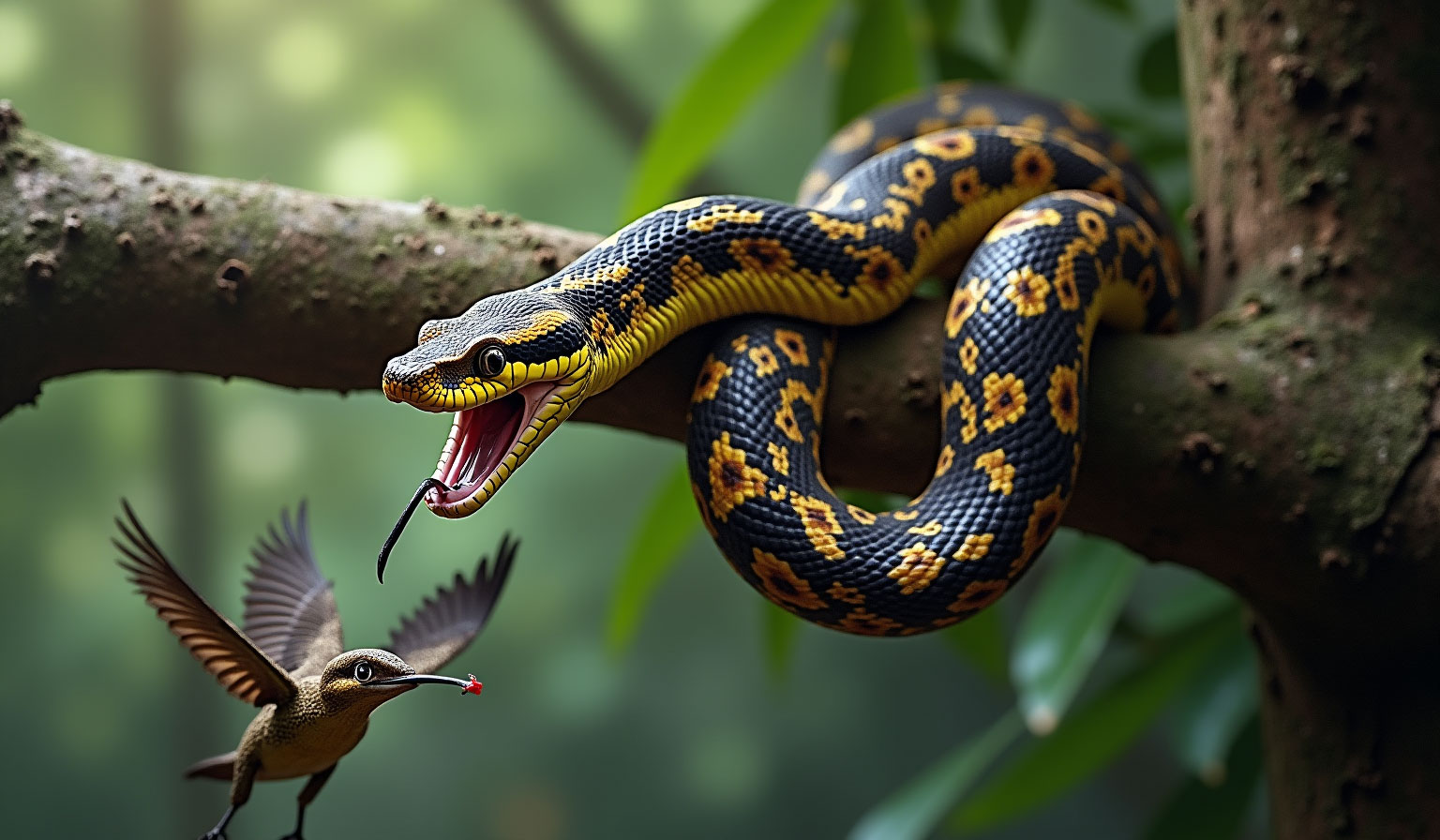
Pine snakes are carnivorous, relying on a diet that primarily consists of small mammals. They are known for their efficiency in controlling rodent populations, making them beneficial to their ecosystems. Their diet may also include birds, bird eggs, and reptiles.
Common Prey:
-
Rodents such as mice and rats
-
Ground-nesting birds and their eggs
-
Lizards and smaller snakes
In the wild, pine snakes use their powerful constricting abilities to subdue prey. They are opportunistic feeders, often hunting in burrows where small mammals reside. In captivity, pine snakes can thrive on a diet of appropriately sized rodents, provided on a weekly basis. Clean water should always be available to ensure their hydration and overall health.
Pine Snake Behavior and Temperament: Understanding Their Nature
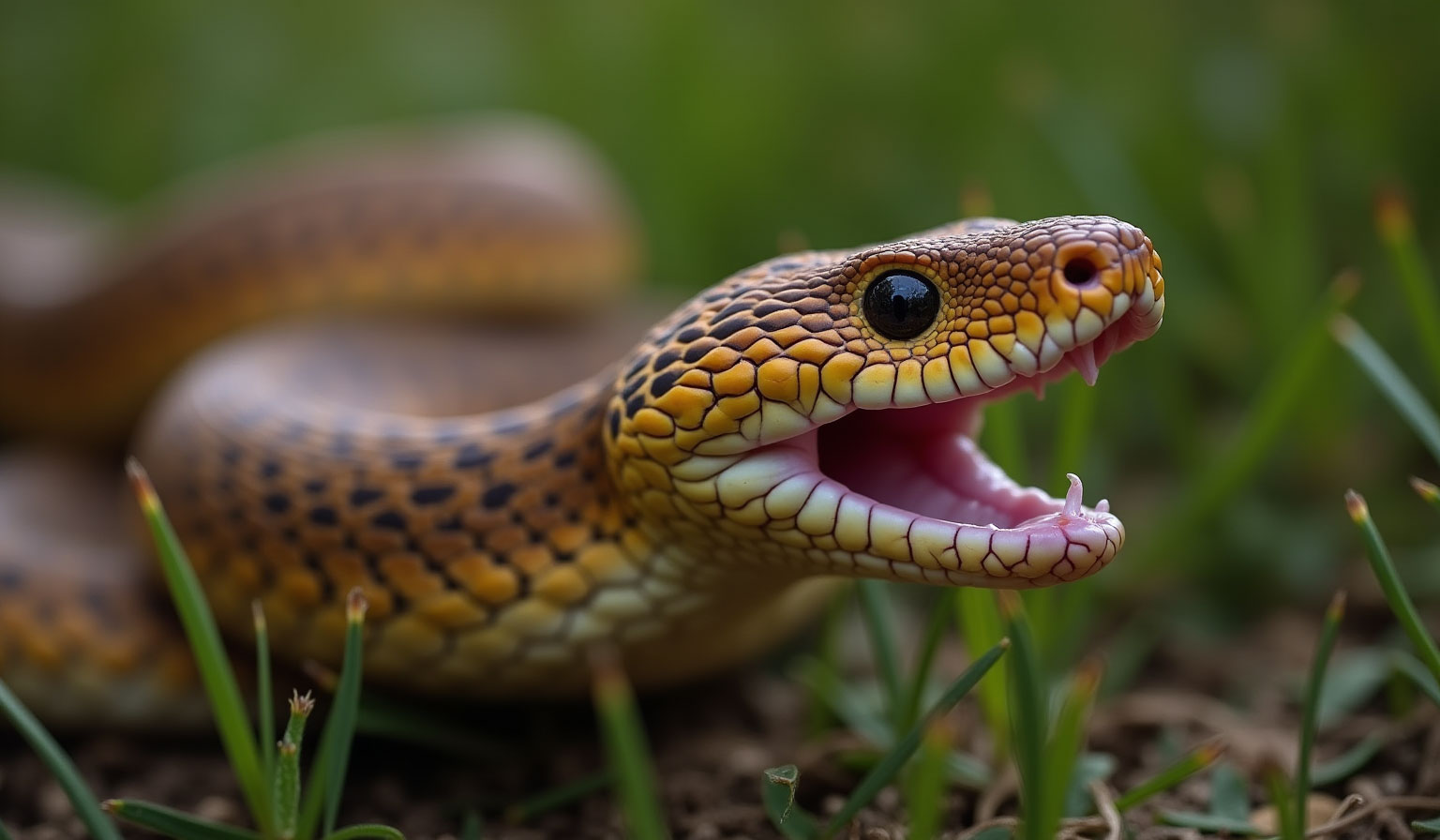
Pine snakes are known for their unique behaviors, which include burrowing and loud hissing sounds. When threatened, they may flatten their heads, hiss, and vibrate their tails, mimicking a rattlesnake to deter predators. Despite these displays, pine snakes are non-venomous and generally non-aggressive.
Key Behavioral Traits:
- Burrowing: Excellent diggers that create intricate burrow systems.
- Hissing: Loud and forceful hisses as a defensive mechanism.
- Diurnal Activity: Active during the day, especially in the early morning and late afternoon.
- Non-Aggressiveness: Rarely bite when handled gently.
In captivity, pine snakes can become accustomed to regular handling, making them easier to manage over time. Their calm demeanor and unique behaviors make them fascinating reptiles to observe and care for.
Pine Snake Health and Lifespan: Tips for a Healthy Snake
Pine snakes are hardy reptiles, but they require proper care to thrive. Common health concerns include respiratory infections, parasites, and issues related to improper humidity levels. Ensuring a well-maintained enclosure and a balanced diet can significantly reduce the risk of health problems.
Care Tips for a Healthy Pine Snake:
- Maintain a temperature gradient in their enclosure (75°F-85°F).
- Keep humidity levels between 40%-60% to support healthy shedding.
- Provide a clean environment to minimize the risk of infections.
- Monitor for signs of illness, such as wheezing or lethargy.
With proper care, pine snakes can live 15-20 years in captivity, making them a long-term commitment for reptile enthusiasts.
Pine Snake Reproduction: Breeding and Egg-Laying
Pine snakes are oviparous, meaning they lay eggs. Breeding occurs in the spring, following a period of brumation during the colder months. Males locate females through scent trails, engaging in courtship behaviors that include body movements and tongue flicking.
Reproductive Facts:
- Breeding Season: Spring
- Egg Clutches: 4-12 eggs per clutch
- Incubation Period: 60-75 days
- Hatchling Size: Approximately 12-18 inches
Females lay their eggs in sandy or soft soil, where the warmth of the ground helps with incubation. Hatchlings are independent from birth and grow rapidly during their first year.
Pine Snake Handling and Care: A Guide for Owners
Handling pine snakes requires patience and consistency, especially when they are newly acquired. Allow them to acclimate to their environment before initiating handling. Always approach them calmly and support their entire body during interaction.
Basic Care Requirements:
- Enclosure: Spacious tank with secure lid and appropriate substrate.
- Temperature: Provide a gradient of 75°F-85°F.
- Humidity: Maintain levels between 40%-60%.
- Feeding Schedule: Juveniles every 5-7 days; adults every 7-10 days.
- Hydration: Fresh water should always be available.
With regular handling, pine snakes can become more accustomed to human interaction, making them enjoyable pets for experienced keepers.