
Brooks Kingsnake: Everything You Need to Know About This Stunning Reptile
The scientific name of the Brooks Kingsnake is Lampropeltis getula brooksi. It belongs to the Colubridae family, which is the largest family of snakes and includes many non-venomous and mildly venomous species.
Scientific Name: Lampropeltis getula brooksi
Snake Family: Colubridae
Introduction to the Brooks Kingsnake
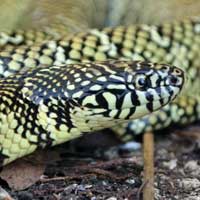
The Brooks Kingsnake (Lampropeltis getula brooksi) is a non-venomous and vibrantly patterned subspecies of the common kingsnake. Native to Florida and parts of the southeastern United States, this snake is known for its striking coloration and calm temperament. Its adaptability and ease of care make it a favorite among reptile enthusiasts.
Where Does the Brooks Kingsnake Live?
The Brooks Kingsnake is native to Florida and adjacent areas, where it thrives in diverse habitats ranging from wetlands to dry woodlands. Its adaptability to different environments makes it a versatile predator.
Preferred Habitat Features:
- Wetlands and swamps
- Pine forests and scrublands
- Suburban areas near water sources
- Agricultural fields
| Region | Habitat Type | Key Features |
|---|---|---|
| Florida | Wetlands | High humidity, abundant prey |
| Southern USA | Pine forests | Shaded areas with ground cover |
| Suburban Areas | Gardens and fields | Shelter near human activity |
What Does the Brooks Kingsnake Eat?
The Brooks Kingsnake is a carnivorous and opportunistic feeder, consuming a variety of prey in the wild. This dietary versatility is one of the reasons it thrives in captivity.
Common Diet:
- Rodents such as mice and rats
- Birds and their eggs
- Reptiles, including other snakes
- Frogs and lizards
In captivity, a diet of frozen-thawed or pre-killed rodents is recommended. Feeding schedules vary by age, with juveniles requiring meals every 5-7 days and adults feeding every 10-14 days.
Behavior and Temperament of the Brooks Kingsnake
The Brooks Kingsnake is known for its curious and docile nature, making it a popular pet for beginners and experienced snake keepers alike. However, it can exhibit defensive behaviors when startled.
Key Behavioral Traits:
- Generally docile and easy to handle
- Active during the day and early evening
- Displays defensive coiling and tail vibration when threatened
- Adaptable to various environments
With regular handling, the Brooks Kingsnake becomes more accustomed to human interaction and less likely to exhibit defensive behaviors.
Health and Lifespan of the Brooks Kingsnake
The Brooks Kingsnake is a hardy species with a lifespan of 15-20 years in captivity when provided with proper care. Its resilience makes it an excellent choice for first-time reptile owners.
Common Health Concerns:
- Respiratory infections caused by improper humidity
- Shedding problems due to low humidity
- Parasites, especially in wild-caught specimens
Maintaining an enclosure with a temperature gradient of 75-85°F, along with clean water for drinking and soaking, helps prevent common health issues. Regular veterinary check-ups are also recommended.
Reproductive Traits of the Brooks Kingsnake
The Brooks Kingsnake is oviparous, laying eggs after mating. Breeding usually occurs in the spring, followed by egg-laying in early summer.
Reproductive Details:
- Mating season: Spring
- Clutch size: 6-15 eggs
- Incubation period: 50-70 days
- Hatchlings are independent and self-sufficient
In captivity, successful breeding requires simulating natural temperature cycles and providing a suitable nesting area. Eggs should be incubated at 82-84°F for optimal hatching results.
How to Handle and Care for the Brooks Kingsnake
Caring for the Brooks Kingsnake involves creating an environment that mimics its natural habitat and providing consistent, gentle handling.
Handling and Care Tips:
- Handle gently to reduce stress
- Provide an enclosure with ample hiding spots and climbing structures
- Maintain a clean environment with proper humidity levels
- Offer a varied diet to meet nutritional needs
With proper care and attention, the Brooks Kingsnake can thrive in captivity, offering years of fascination and companionship to its keeper.
Other Snakes In This Species
 Albino California Kingsnake
 Arizona Mountain Kingsnake
 Black Kingsnake
 Brooks Kingsnake
 California Kingsnake
 Desert Kingsnake
 Dot-Dash California Kingsnake
 Durango Mountain Kingsnake
 Eastern Kingsnake
 Florida Kingsnake
 Florida Mole Kingsnake
 Goins Kingsnake
 Gray Banded Kingsnake
 Mexican Black Kingsnake
 Mole Kingsnake
 Prairie Kingsnake
 Ruthvens Kingsnake
 Scarlet Kingsnake
 Speckled Kingsnake
 Utah Mountain Kingsnake
 Variable Kingsnake