
Everything You Need to Know About the Candy Cane Corn Snake
The Candy Cane Corn Snake is a color morph of the Corn Snake, which is scientifically named Pantherophis guttatus. It belongs to the Colubridae family, which includes a variety of non-venomous snakes.
Scientific Name: Pantherophis guttatus
Snake Family: Colubridae
Candy Cane Corn Snake: An Overview
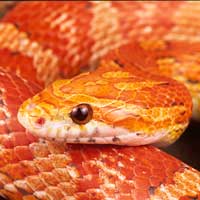
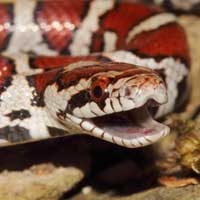
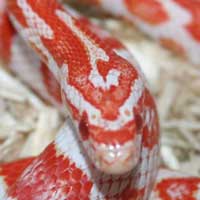
The Candy Cane Corn Snake is a striking color morph of the corn snake (Pantherophis guttatus), known for its vibrant red and white coloration. This non-venomous snake is a favorite among reptile enthusiasts due to its manageable size, calm temperament, and beautiful appearance. With proper care, the Candy Cane Corn Snake is an excellent choice for beginner and experienced keepers alike. In this guide, we’ll explore its habitat, diet, behavior, and more.
Where Do Candy Cane Corn Snakes Thrive?
Although a captive-bred morph, the Candy Cane Corn Snake’s natural habitat mirrors that of its wild counterparts. Found in the southeastern United States, corn snakes inhabit a variety of environments, making them highly adaptable in captivity.
| Habitat Feature | Description |
|---|---|
| Geographic Range | Southeastern United States |
| Preferred Environment | Forests, grasslands, and agricultural fields |
| Climate | Temperate, with moderate humidity |
What Does a Candy Cane Corn Snake Eat?
The Candy Cane Corn Snake is a carnivore, thriving on a diet of small mammals and birds. A proper feeding schedule ensures their growth and overall health in captivity.
- Juveniles: Feed on pinky mice every 5-7 days.
- Adults: Feed on adult mice or small rats every 7-10 days.
- Prey Size: Ensure prey is no larger than the snake’s girth to avoid regurgitation.
- Hydration: Provide fresh water in a shallow dish for drinking and soaking.
Behavior and Temperament of the Candy Cane Corn Snake
Known for its docile and curious nature, the Candy Cane Corn Snake is a pleasure to handle and observe. Its temperament makes it an ideal pet for first-time snake owners.
- Docile Personality: Rarely defensive and easy to handle.
- Activity Level: Primarily nocturnal but may be active during the day in captivity.
- Climbing Behavior: Enjoys exploring branches and climbing surfaces.
How to Ensure a Healthy and Long Life for Your Candy Cane Corn Snake
With proper care, Candy Cane Corn Snakes can live 15-20 years in captivity. Regular monitoring of their health and maintaining an optimal habitat are crucial for their longevity.
| Health Issue | Symptoms | Prevention |
|---|---|---|
| Respiratory Infections | Wheezing, open-mouth breathing | Maintain proper humidity and temperature |
| Skin Shedding Issues | Incomplete or stuck sheds | Ensure proper humidity levels |
| Parasites | Visible mites, itching | Regular cleaning and enclosure maintenance |
Reproductive Behavior of the Candy Cane Corn Snake
The Candy Cane Corn Snake is an oviparous species, laying eggs rather than giving birth to live young. Breeding this morph in captivity is both achievable and rewarding for enthusiasts.
- Mating Season: Late winter to early spring.
- Incubation Period: Approximately 55-60 days.
- Clutch Size: Typically 10-30 eggs.
- Maintain an incubation temperature of 80-85°F for optimal egg development.
Handling and Caring for the Candy Cane Corn Snake
Providing the right care and handling for your Candy Cane Corn Snake ensures a happy and healthy pet. Their straightforward needs make them a perfect choice for beginners.
- Maintain an enclosure with a temperature gradient of 75-85°F.
- Use a substrate such as aspen shavings or coconut fiber for burrowing.
- Include hiding spots and climbing branches to mimic their natural environment.
- Handle gently and regularly to build trust and reduce stress.
- Clean the enclosure frequently and ensure fresh water is always available.