
Western Rainbow Boa: A Vividly Colored Constrictor That Captivates and Challenges Keepers
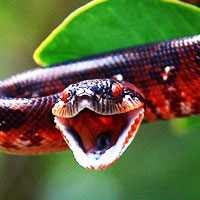
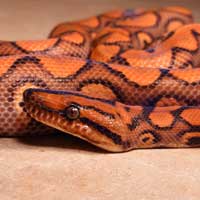
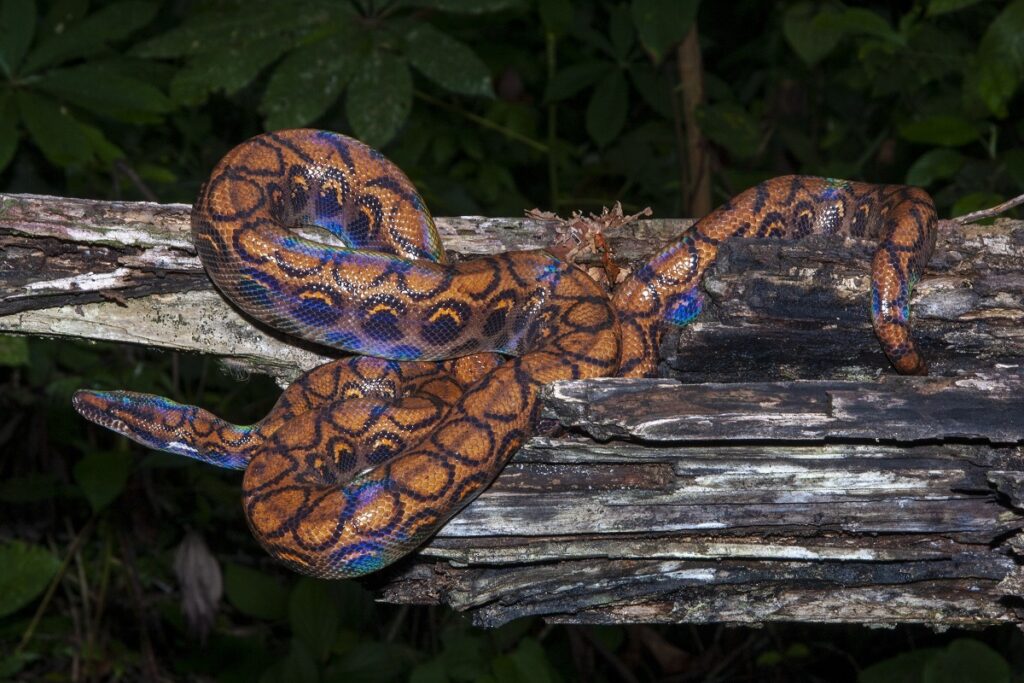
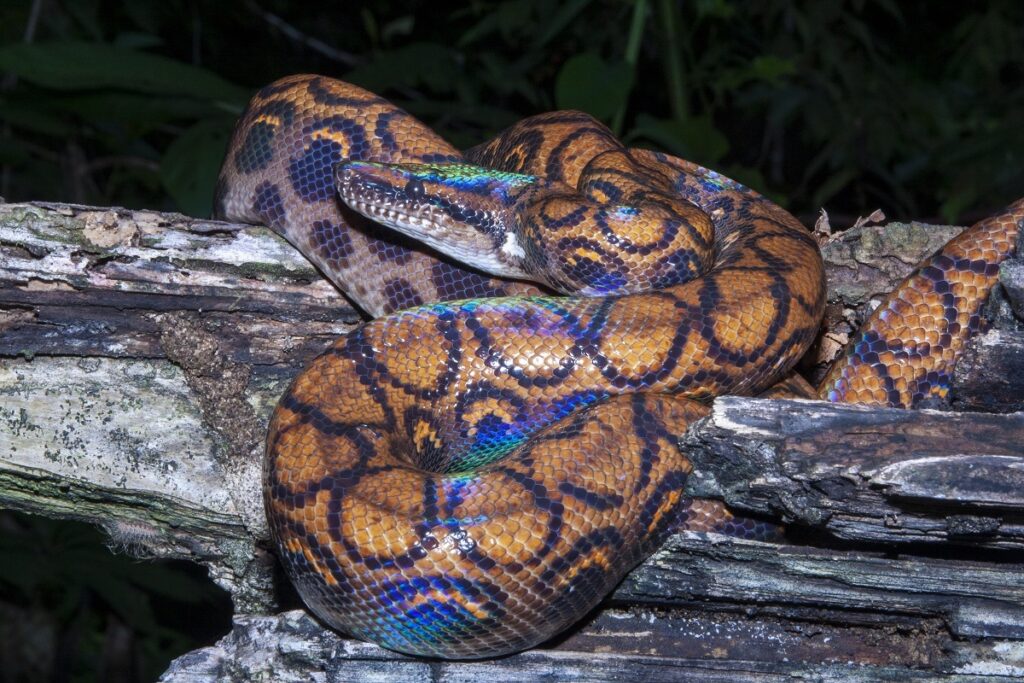
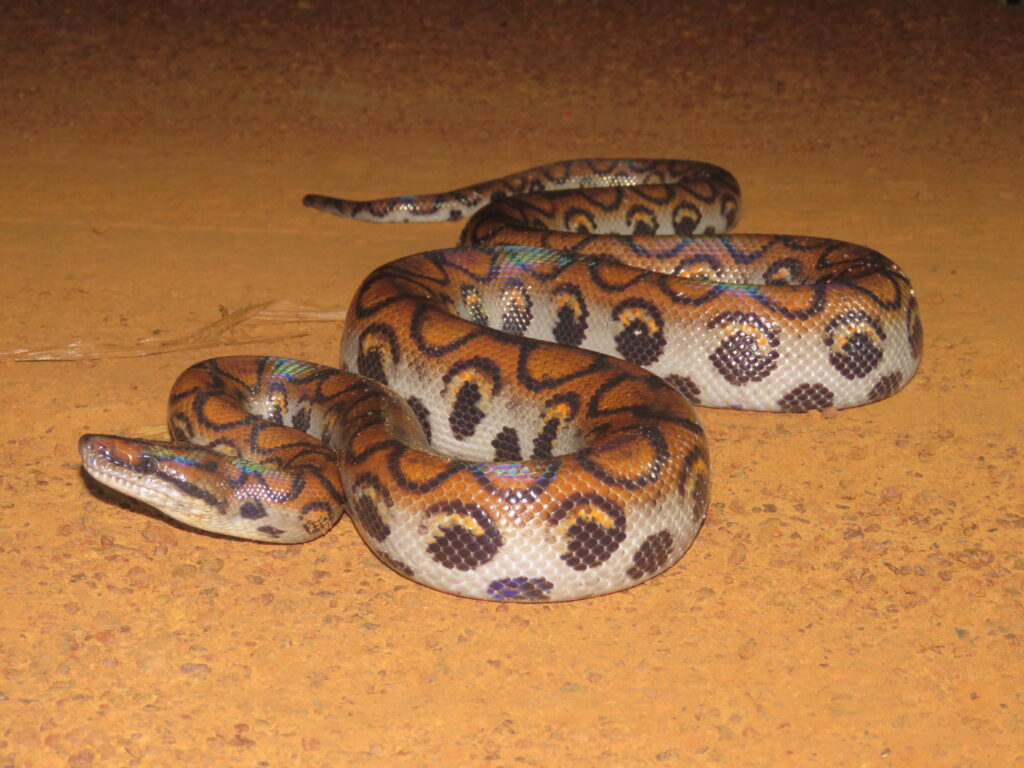
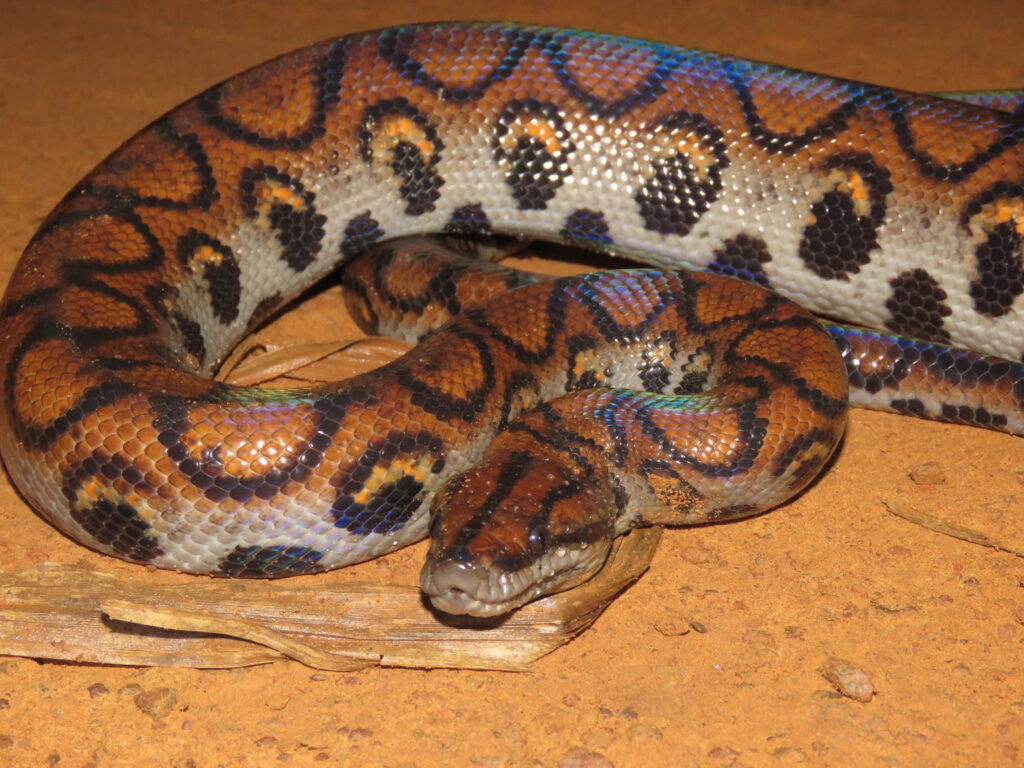
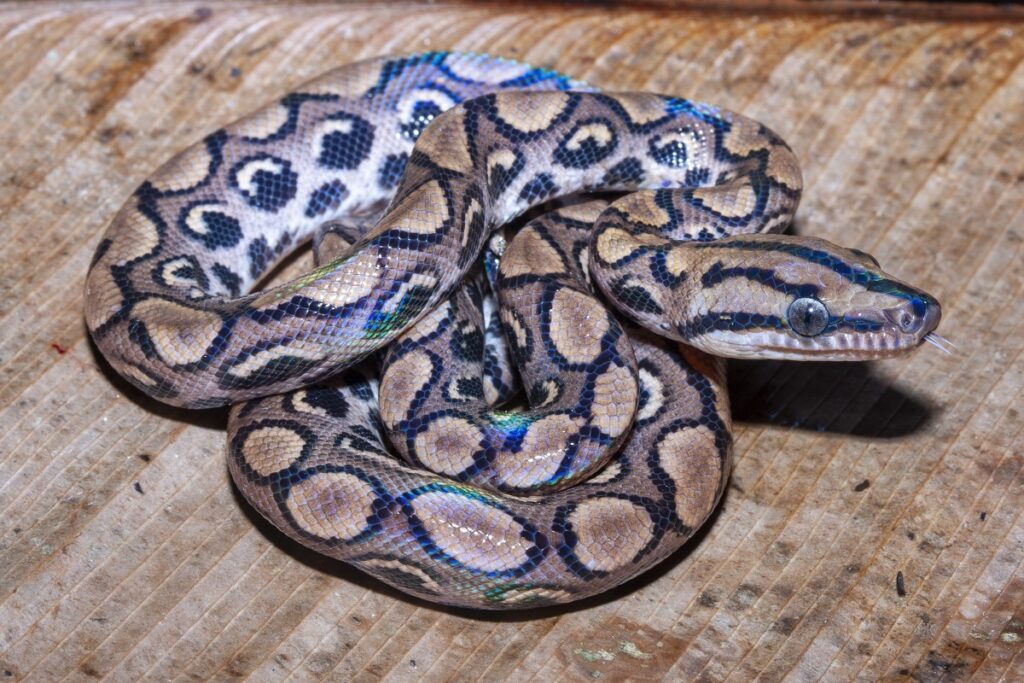
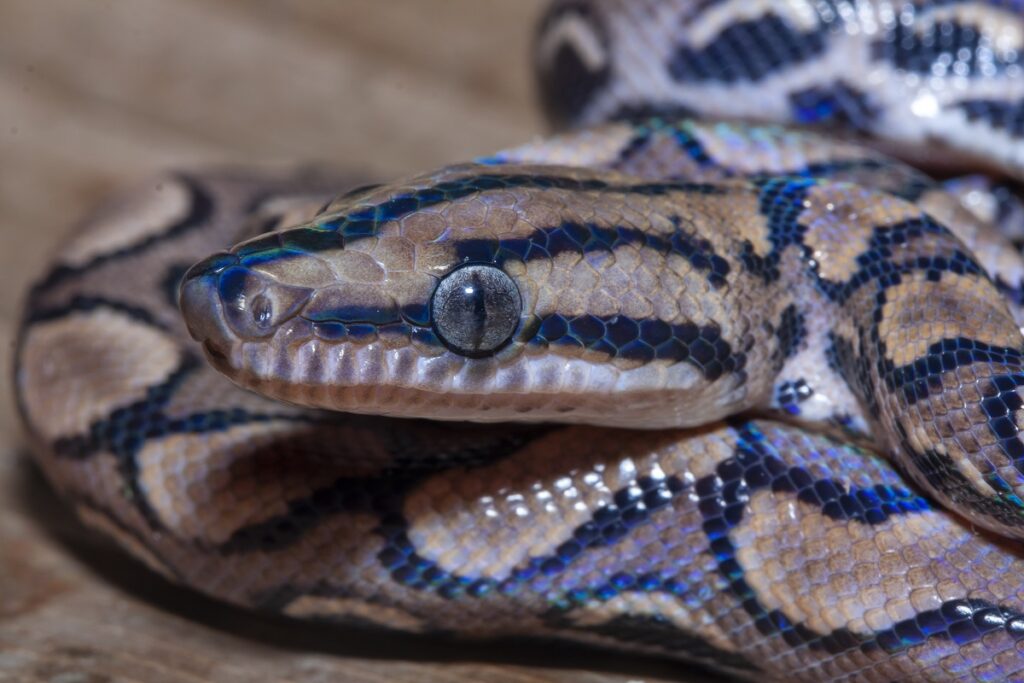
The Western Rainbow Boa is scientifically known as Epicrates cenchria cenchria and belongs to the Boidae family. Native to the humid lowland rainforests of South America, this non-venomous constrictor is celebrated for its vibrant orange coloration and iridescent sheen, making it one of the most visually striking boa species in the world.
Scientific Name: Epicrates cenchria
Snake Family: Boidae
What Makes the Western Rainbow Boa a Jewel Among Constrictors?
The Western Rainbow Boa is a striking species known for its vibrant coloration and captivating iridescence. Scientifically recognized as Epicrates cenchria cenchria, this snake belongs to the Boidae family and originates from the rainforests of South America. It’s especially admired for its rainbow-like sheen, which appears when light reflects off its smooth scales. While beautiful, this species is also known for its specific care needs and assertive temperament—making it better suited for intermediate to advanced keepers. This comprehensive guide covers everything from their habitat and diet to behavior, health, breeding, and long-term husbandry.
Other Common Names for the Western Rainbow Boa
- Brazilian Rainbow Boa
- Rainbow Boa
- Red Rainbow Boa
- Epicrates Boa
The Lush and Humid Habitat Where Western Rainbow Boas Thrive
Western Rainbow Boas are native to the humid lowland rainforests of the Amazon Basin, particularly in Brazil, Suriname, French Guiana, and adjacent parts of South America. These snakes inhabit areas with consistently high humidity, dense canopy cover, and close proximity to freshwater sources such as streams, marshes, and floodplains. The ecosystem they call home is rich with leaf litter, fallen logs, and tangled underbrush—perfect for ambush predators like this boa.
They are semi-arboreal in their juvenile stages but become mostly terrestrial as they mature. The forest floor, with its constant cover and moisture, provides both shelter and access to prey like rodents, birds, and reptiles. While they occasionally climb, their primary movement is along the forest ground where camouflage and patience give them the upper hand as predators.
| Habitat Feature | Optimal Range |
|---|---|
| Elevation | 0–1,000 meters above sea level |
| Temperature | 78–88°F (25–31°C) |
| Humidity | 75–95% |
| Microhabitat | Leaf litter, hollow logs, near water |
Feeding Your Western Rainbow Boa: From Picky Neonates to Voracious Adults
Western Rainbow Boas are carnivorous constrictors, feeding on a wide range of prey in the wild. Juveniles typically hunt small reptiles, amphibians, and invertebrates, while adults transition to mammals and birds. Their strong constriction and ambush hunting tactics make them highly effective predators.
In captivity, the standard diet consists of appropriately sized rodents. Hatchlings can be finicky eaters at first, especially if wild-caught or improperly started. Offering fresh or scented prey may be required early on. As they grow, most become reliable feeders.
- Hatchlings: Pinky mice every 5–7 days
- Juveniles: Hopper or fuzzy mice every 7–10 days
- Adults: Small rats or large mice every 10–14 days
Feeding should always be done with tongs and never immediately after handling to avoid stress-related regurgitation. Provide fresh water daily, and expect some individuals to soak more frequently, particularly before shedding or during high heat.
Understanding the Bold Personality of the Western Rainbow Boa
Western Rainbow Boas are as spirited as they are beautiful. Unlike some more docile constrictor species, this boa is known for having an assertive personality—especially in its early years. Hatchlings and juveniles may hiss, puff, or bluff-strike when startled. However, with regular, calm handling, most individuals become more tolerant over time.
These snakes are nocturnal and prefer to stay hidden during the day. At night, they become more active and inquisitive, often exploring their enclosure. Their muscular build and alert posture can be intimidating, but they’re rarely aggressive when handled with care.
- Temperament: Defensive as juveniles, mellow with age
- Activity Pattern: Nocturnal
- Enrichment Needs: Require hides, climbing branches, and space
- Handling Suitability: Better suited for intermediate keepers and above
Establishing trust through consistency and avoiding sudden movements during interaction helps minimize stress. Always support their full body and handle them away from feeding time.
Health and Lifespan of the Western Rainbow Boa: What Owners Should Monitor
With excellent care, Western Rainbow Boas can live 20 to 25 years in captivity. While generally hardy, they are very sensitive to humidity and temperature fluctuations. Poor husbandry often results in respiratory infections, skin conditions, or feeding issues. Consistent humidity and clean enclosures are non-negotiable.
- Respiratory Infections: Common in dry or cool enclosures
- Shedding Problems: Incomplete sheds linked to low humidity
- Mouth Rot (Stomatitis): Usually stress- or injury-induced
- Obesity: From overfeeding or inadequate space
Preventative care includes maintaining optimal humidity (80%+), providing daily access to clean water, and regular enclosure cleaning. UVB lighting is optional but can be beneficial for overall vitality and bone health.
| Health Metric | Ideal Range |
|---|---|
| Humidity | 75–95% |
| Ambient Temperature | 80–85°F (26–29°C) |
| Basking Spot | 88–92°F (31–33°C) |
| Lifespan | 20–25 years |
Reproductive Behavior and Breeding Cycle of Western Rainbow Boas
Western Rainbow Boas are ovoviviparous, meaning they give birth to live young rather than laying eggs. Breeding season typically begins in the late fall or early winter, with mating triggered by a drop in temperature and slight changes in photoperiod. Males become more active and seek out females during this period.
After successful copulation, the female carries developing embryos for roughly 120 to 150 days. During gestation, she may reduce feeding or become more reclusive. When ready to give birth, she will often seek out a warm, secure hiding spot.
- Breeding Season: Fall to early winter
- Gestation Period: 120–150 days
- Litter Size: 12–25 live young
- Neonate Size: 10–15 inches
Neonates are born fully independent and should be housed individually. Feeding typically begins after their first shed. Breeding success depends heavily on the condition of both the male and female and precise environmental cycling.
Proper Handling and Long-Term Care for the Western Rainbow Boa
Western Rainbow Boas can be rewarding to care for, but they are not ideal for beginners. They require consistent environmental control, patience with handling, and a well-thought-out enclosure setup. Their need for high humidity and temperature gradients means automation or daily monitoring is a must.
- Enclosure Size: Minimum 4x2x2 feet for adults
- Substrate: Moisture-retaining options like coconut husk, cypress mulch
- Humidity Management: Daily misting or automated humidifier
- Handling Frequency: 2–3 times per week once acclimated
- Water Dish: Large enough for soaking
Enclosure enrichment should include hides, branches, and textured surfaces. Avoid overhandling young boas until they’ve settled in. Always handle after, not before, feeding sessions, and use slow, supportive movements. With proper care, your Western Rainbow Boa can become a stunning and interactive long-term companion.
Other Snakes In This Species
 Argentine Boa
 Calabar Burrowing Boa
 Colombian Rainbow Boa
 Common Boa
 Cooks Tree Boa
 Cuban Boa
 Desert Rosy Boa
 Desert Sand Boa
 Dumeril Boa
 Egyptian Sand Boa
 Emerald Tree Boa
 Haitian Boa
 Hog Island Boa
 Madagascar Ground Boa
 Madagascar Tree Boa
 Pacific Boa
 Red Sand Boa
 Rough-scaled Sand Boa
 Rubber Boa
 True Red Tail Boa
 Western Rainbow Boa