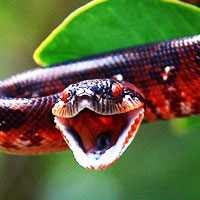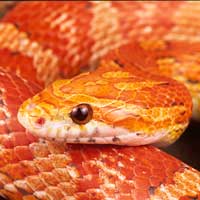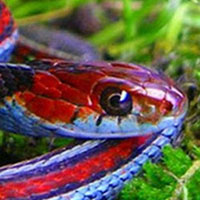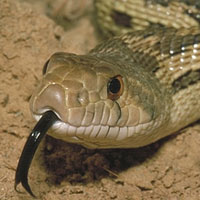

Madagascar Ground Boa: A Rare Island Giant with Ancient Roots and Modern Appeal
The Madagascar Ground Boa is scientifically named Acrantophis madagascariensis. It belongs to the Boidae family, which includes non-venomous constrictor snakes.
Scientific Name: Acrantophis madagascariensis
Snake Family: Boidae
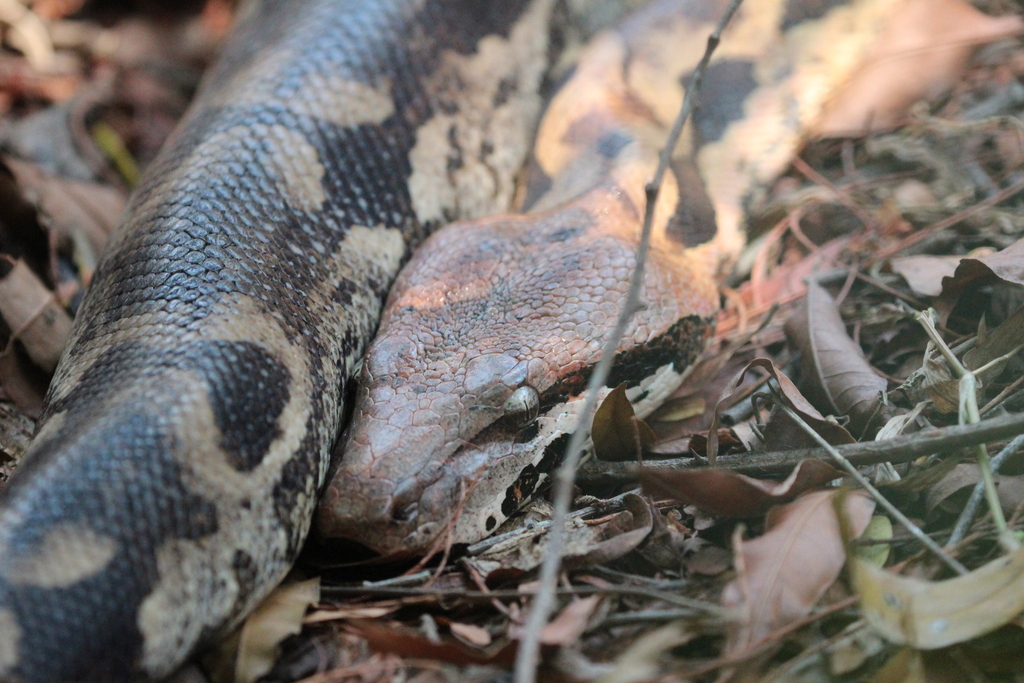
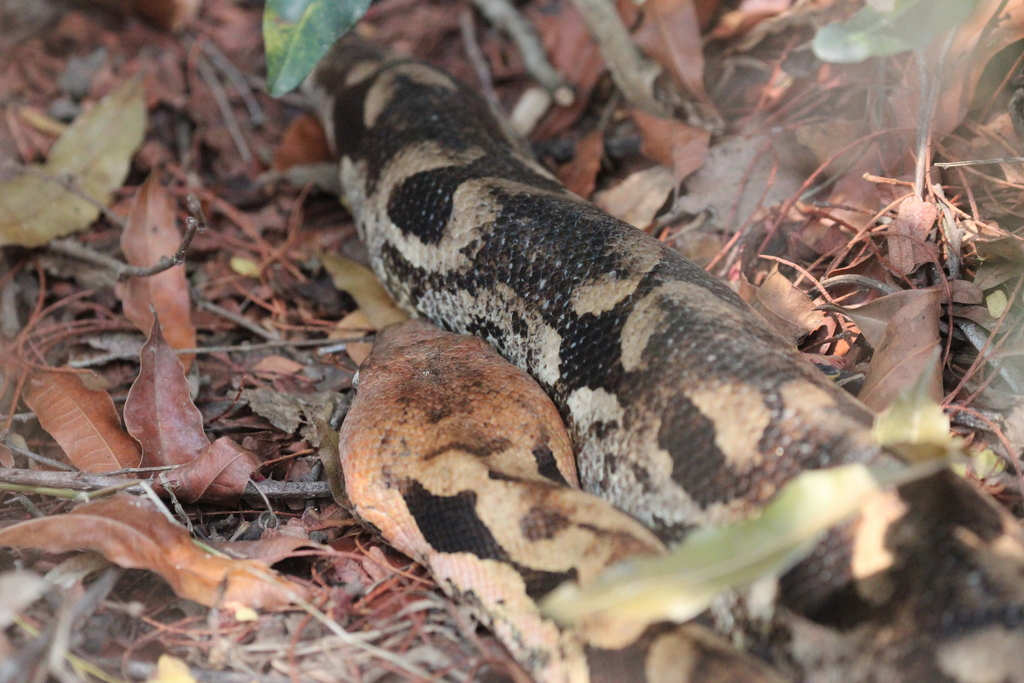
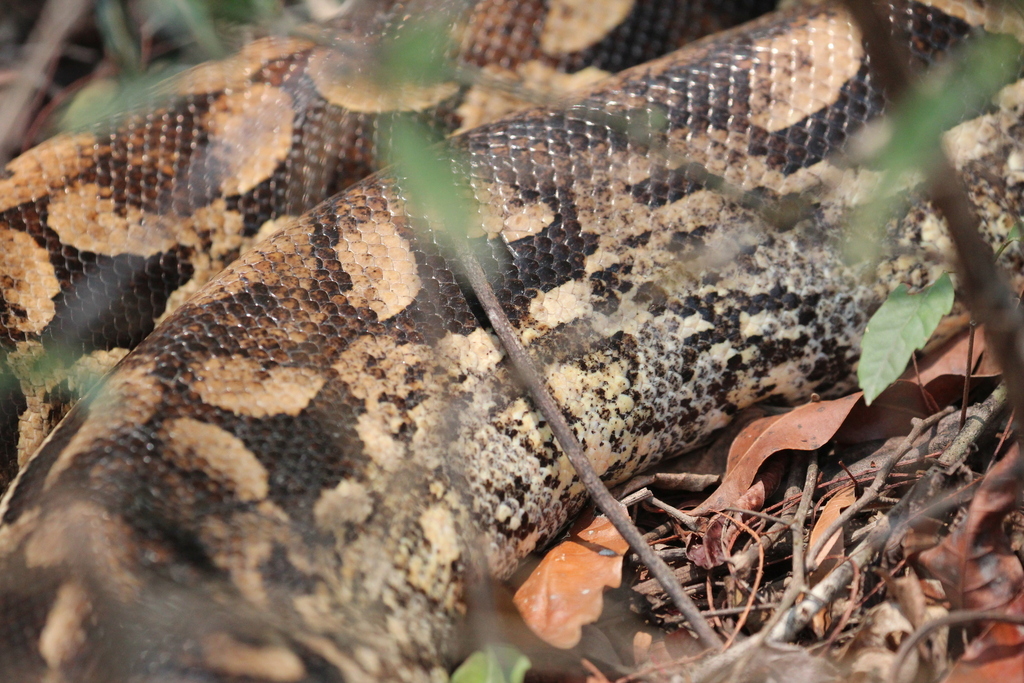
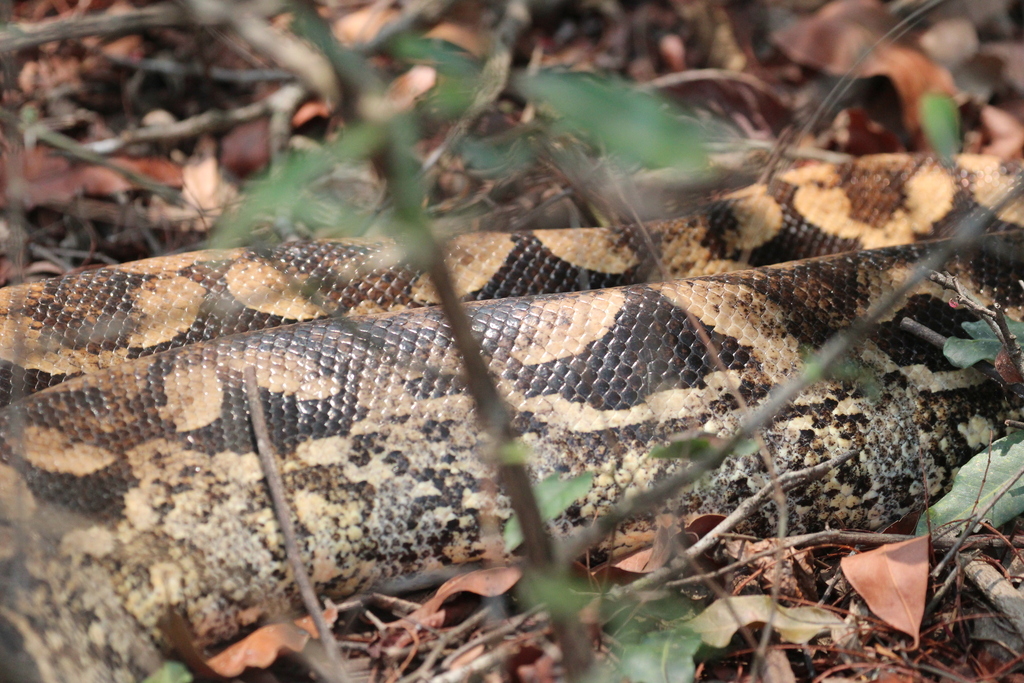
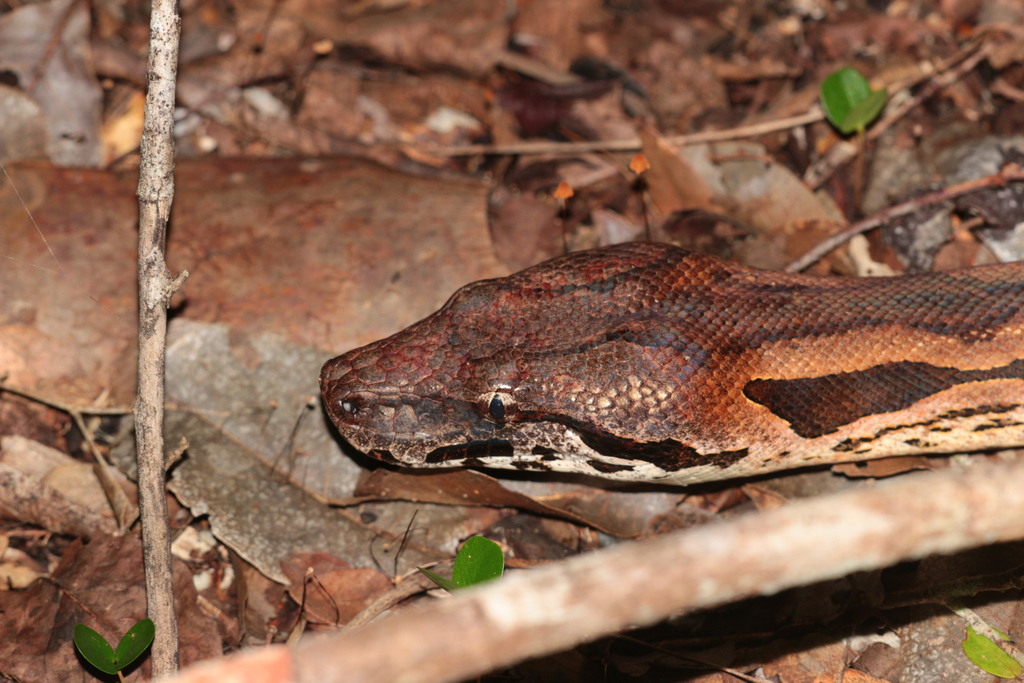
Discover the Madagascar Ground Boa—One of the World’s Most Fascinating Island Boas
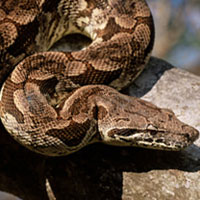
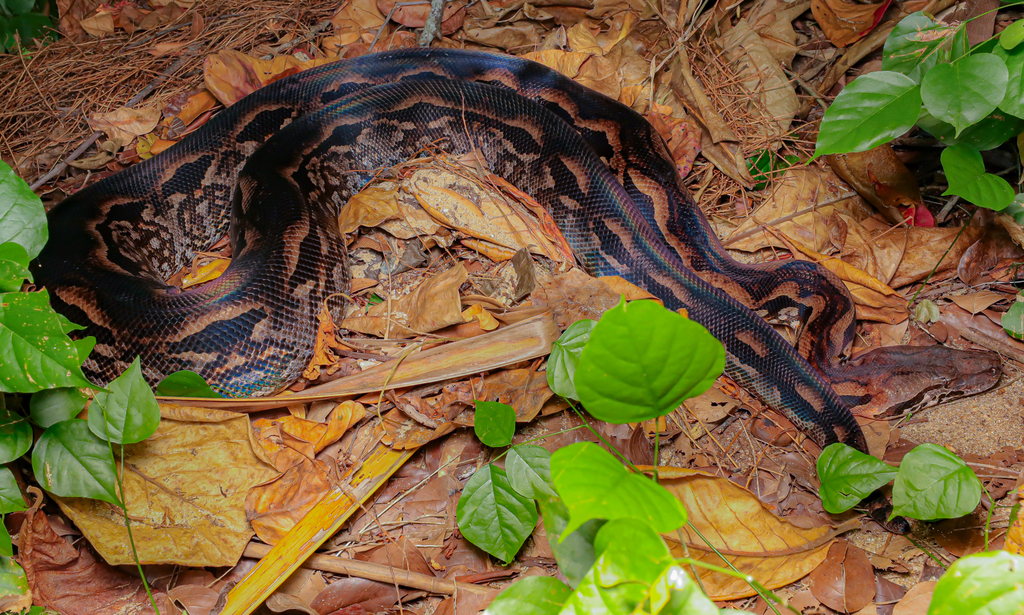
The Madagascar Ground Boa is one of the largest and most unique snake species found exclusively on the island of Madagascar. Scientifically known as Acrantophis madagascariensis and classified under the Boidae family, this impressive boa plays a vital ecological role as a top terrestrial predator in Madagascar’s forests. It is a non-venomous constrictor, known for its powerful build, subtle coloration, and relatively calm demeanor in captivity. As one of only a few boas endemic to Madagascar, it is a subject of both scientific fascination and conservation concern. This guide offers an in-depth look at their natural history, environmental needs, feeding behavior, temperament, and care in captivity.
The Natural Habitat of Madagascar Ground Boas: Forest Dwellers of a Unique Island
The Madagascar Ground Boa inhabits the dry deciduous forests, spiny forests, and humid tropical lowlands of western and northern Madagascar. This species prefers ground-level shelter and thrives in warm, shaded environments with plenty of cover from leaf litter, fallen logs, and burrows. As an ambush predator, it uses its natural camouflage to blend into the forest floor and surprise its prey.
These boas are most often found in relatively undisturbed areas with access to both open ground and dense brush. While they are primarily terrestrial, they may occasionally climb low vegetation or explore rocky outcroppings in search of food or shelter. Their range is heavily impacted by deforestation and habitat fragmentation, making wild populations vulnerable to decline.
| Habitat Factor | Details |
|---|---|
| Preferred Biome | Dry deciduous and tropical forests |
| Altitude Range | 0–800 meters above sea level |
| Microhabitat | Ground-dwelling with use of burrows and forest floor debris |
| Temperature Range | 75–88°F (24–31°C) |
| Humidity | 60–80%, depending on season and region |
Madagascar Ground Boa Feeding Guide: Natural Diet and Captive Nutrition
The Madagascar Ground Boa is a carnivorous ambush predator, feeding on a range of vertebrates in the wild. Its natural prey includes small mammals, birds, lizards, and occasionally amphibians. Juveniles focus more on smaller prey like geckos and rodents, while adults can overpower larger animals such as lemurs or bush pigs in rare cases.
In captivity, these boas are typically fed rodents, such as rats or mice, depending on size. Some keepers also offer quail or chicks to add variety and mimic natural feeding behaviors. Care must be taken to match the prey size to the snake's girth and age.
- Hatchlings: Pinky or fuzzy mice every 5–7 days
- Juveniles: Small rats or adult mice every 7–10 days
- Adults: Medium to large rats every 10–14 days
Avoid overfeeding, as this species is prone to obesity in captivity if given large prey too frequently. Always thaw frozen prey fully and use feeding tongs to prevent accidental bites. Provide clean, fresh water in a large bowl that allows soaking, especially during shedding cycles.
Behavior and Temperament of Madagascar Ground Boas: What to Expect from This Island Giant
The Madagascar Ground Boa is generally considered calm and tolerant, especially when acclimated to regular human interaction. However, temperament can vary significantly between individuals. Wild-caught specimens may display more defensive behaviors initially, including hissing, puffing, or striking, but captive-bred individuals are often far more relaxed.
These boas are solitary and secretive, often remaining motionless for hours or even days while waiting for prey. They are primarily nocturnal or crepuscular, becoming most active during the late evening and early morning hours. While terrestrial, they are curious and may explore vertical space when given the opportunity.
- Temperament: Generally calm, but can be defensive if stressed
- Activity Level: Low to moderate; more active during dusk and dawn
- Interaction: Tolerates handling if introduced gradually
- Stress Response: Hissing, head hiding, or body coiling
Providing a secure enclosure with ample hides and enrichment items will help reduce stress and encourage natural behaviors. Handling should be limited until the snake is fully acclimated, and always approached from the side or behind to avoid triggering defensive responses.
Health and Lifespan: Keeping Your Madagascar Ground Boa Healthy for the Long Haul
With proper husbandry, the Madagascar Ground Boa can live over 20 years in captivity. Like all reptiles, they require consistent care, temperature control, and environmental cleanliness to thrive. While this species is hardy, improper conditions can lead to health problems.
Common health issues include:
- Respiratory infections from poor ventilation or low temperatures
- Inclusion body disease (IBD) – rare but serious in boid snakes
- Internal parasites – more common in wild-caught individuals
- Retained shed due to low humidity or dehydration
- Obesity from overfeeding or limited activity
Routine observations for signs of illness—such as wheezing, open-mouth breathing, lethargy, or lack of appetite—are essential. Annual veterinary checkups with a reptile-experienced vet are recommended, especially if breeding is intended. Quarantine new arrivals for a minimum of 60 days to prevent introducing pathogens to existing animals.
| Health Metric | Ideal Range |
|---|---|
| Temperature Gradient | 75–88°F (ambient); basking up to 92°F |
| Humidity | 60–80% |
| Lifespan | 20–25 years in captivity |
| Feeding Frequency | Every 7–14 days based on age and size |
Reproduction in Madagascar Ground Boas: Breeding and Neonate Care
Madagascar Ground Boas are ovoviviparous, meaning they give birth to live young rather than laying eggs. Breeding generally occurs during the cooler months, and females undergo a gestation period of around 120 to 150 days. Captive breeding programs have become increasingly important for this species due to habitat loss and export restrictions in Madagascar.
Sexual maturity is typically reached between 3 to 4 years of age. Males may court females through body alignment and tongue flicking, followed by copulation lasting several hours. After ovulation, females experience a noticeable swelling and may become more reclusive.
- Breeding Age: Females: 4 years, Males: 3 years
- Gestation Period: 120–150 days
- Litter Size: 10–30 live young
- Neonate Size: 16–20 inches at birth
After birth, neonates should be separated and housed individually. First feeding typically occurs within 10 days after their first shed. Keepers should maintain high humidity and gentle handling to reduce stress during early development. Successful captive breeding helps preserve this species and reduce pressure on wild populations.
Handling and Long-Term Captive Care for Madagascar Ground Boas
While the Madagascar Ground Boa can grow quite large—often 7 to 10 feet—it remains a manageable and rewarding species for experienced reptile enthusiasts. With proper care, these snakes become docile, interactive, and relatively low-maintenance once an optimal environment is established.
Handling should be done with care and consistency, especially in the first few months. Always support the full body and avoid sudden movements. Reptile gloves are unnecessary for healthy, well-adjusted animals but may help with newly acquired or defensive specimens.
- Handling Frequency: 1–2 times per week once acclimated
- Enclosure Size: Minimum 6x2x2 ft for adults
- Substrate: Coconut fiber, cypress mulch, or soil mixes
- Enrichment: Branches, hides, and varied terrain
- Lighting: Natural light cycle; UVB optional but beneficial
A properly set up enclosure with temperature and humidity control is essential. Spot clean daily and perform full cleanings every 4–6 weeks. With respect, patience, and correct care, the Madagascar Ground Boa can be a show-stopping centerpiece in any advanced reptile collection.
Other Snakes In This Species
 Argentine Boa
 Calabar Burrowing Boa
 Colombian Rainbow Boa
 Common Boa
 Cooks Tree Boa
 Cuban Boa
 Desert Rosy Boa
 Desert Sand Boa
 Dumeril Boa
 Egyptian Sand Boa
 Emerald Tree Boa
 Haitian Boa
 Hog Island Boa
 Madagascar Ground Boa
 Madagascar Tree Boa
 Pacific Boa
 Red Sand Boa
 Rough-scaled Sand Boa
 Rubber Boa
 True Red Tail Boa
 Western Rainbow Boa