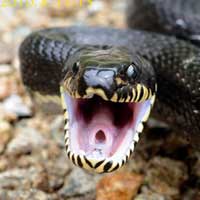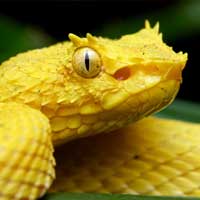

Your Ultimate Guide to Cook's Tree Boa
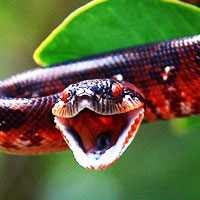
Cook's Tree Boa is scientifically known as Corallus cookii. It belongs to the family Boidae, which is commonly referred to as the boa family. This species is a non-venomous snake native to the Caribbean islands, primarily Saint Vincent and the Grenadines.
Scientific Name: Corallus cookii
Snake Family: Boidae

Introduction to Cook's Tree Boa
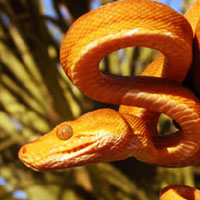
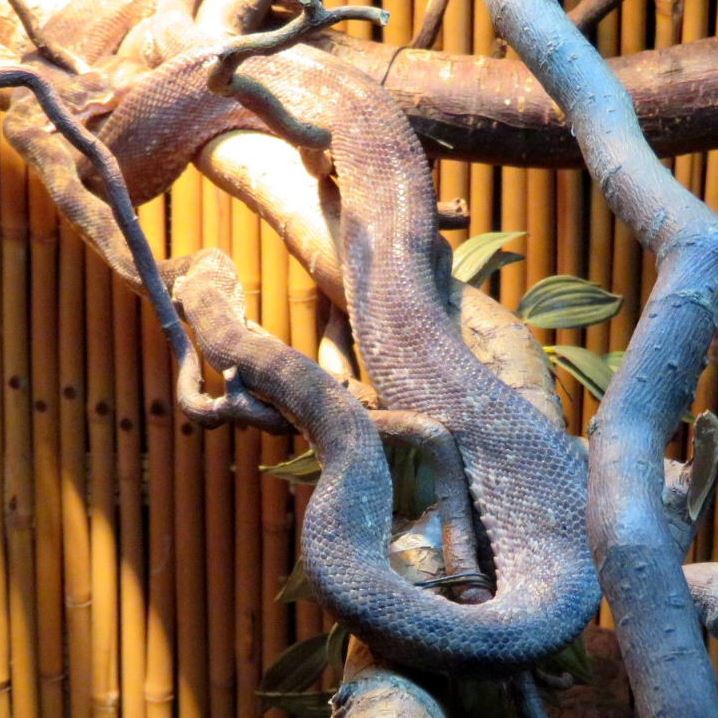
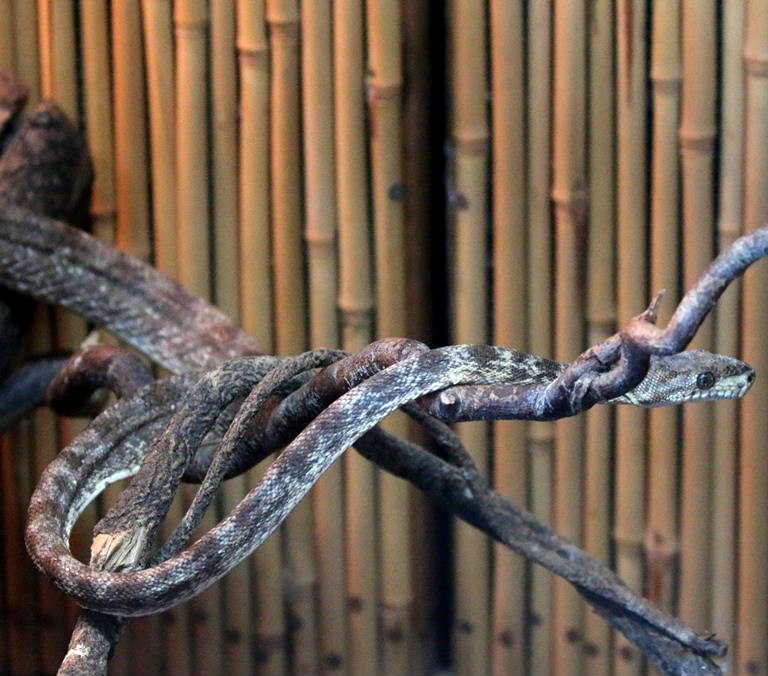
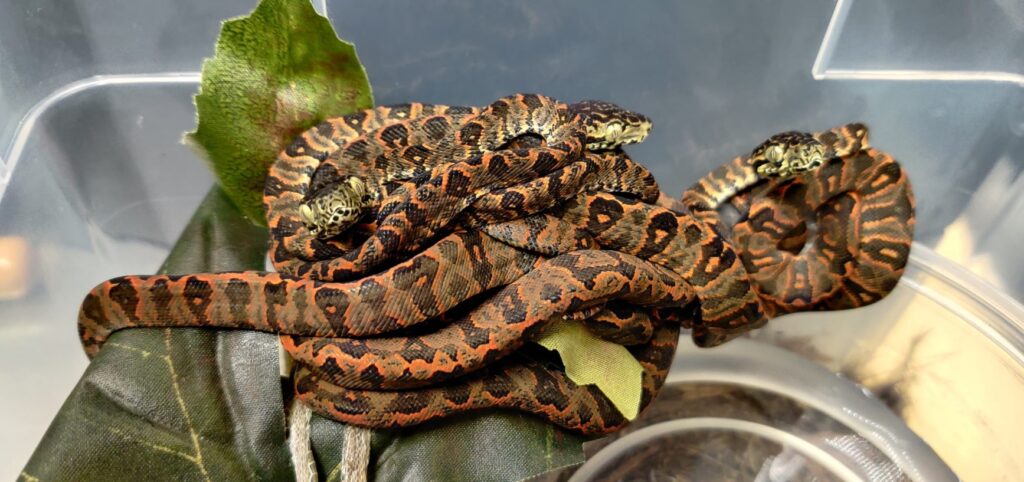
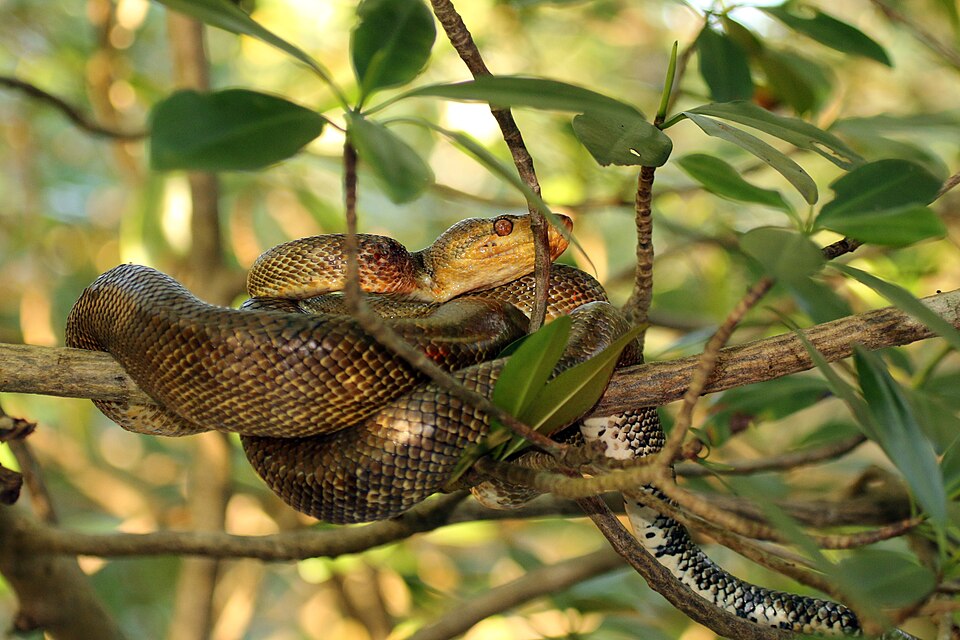
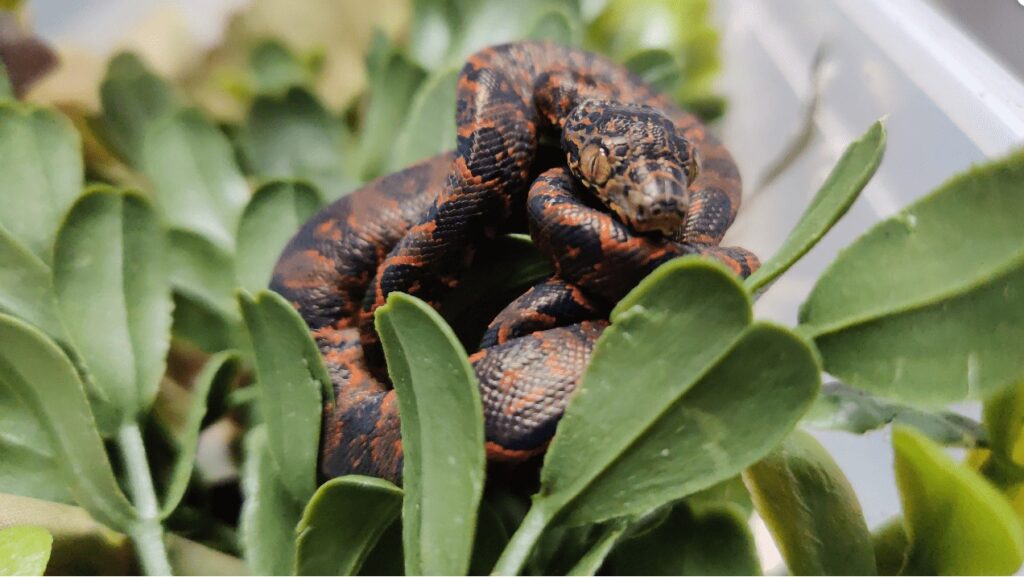
Cook's Tree Boa (Corallus cookii) is a striking species of non-venomous snake found in the Caribbean. Known for its slender body, vibrant patterns, and arboreal lifestyle, this species is a favorite among exotic pet enthusiasts. With proper care and attention, Cook's Tree Boa can thrive in captivity, making it a fascinating and rewarding snake to own.
Where Does Cook's Tree Boa Live?
Cook's Tree Boa is native to the tropical forests of the Caribbean, particularly on islands like St. Vincent. It thrives in humid, warm climates and is primarily arboreal, spending most of its time in trees. To mimic its natural habitat in captivity, it’s important to provide a tall enclosure with plenty of climbing opportunities.
Tips for creating a suitable habitat:
- Maintain temperatures between 78-88°F, with a basking spot around 90°F.
- Humidity should remain between 60-80%.
- Include branches, vines, and foliage for climbing and hiding.
- Use a substrate like coconut husk or cypress mulch to retain moisture.
Below is a summary of habitat requirements:
| Habitat Feature | Requirement |
|---|---|
| Temperature | 78-88°F (basking at 90°F) |
| Humidity | 60-80% |
| Enclosure Type | Vertical with climbing features |
What Does Cook's Tree Boa Eat?
Cook's Tree Boa is a carnivore, primarily feeding on small mammals, birds, and reptiles in the wild. In captivity, their diet usually consists of appropriately sized rodents, such as mice and rats.
- Feed juveniles every 5-7 days.
- Adults can be fed every 10-14 days.
- Ensure prey size matches the snake’s girth to prevent regurgitation.
It’s vital to monitor feeding habits and provide fresh water regularly. Avoid handling your snake for at least 48 hours after feeding to allow for proper digestion.
Unveiling the Behavior and Temperament of Cook's Tree Boa
Cook's Tree Boa is known for its nocturnal and arboreal habits. While it can be defensive at times, with proper handling and care, it often becomes more docile in captivity.
Notable behavior traits include:
- Nocturnal activity, with most movement occurring at night.
- Preference for climbing and perching on branches.
- Occasionally defensive but rarely aggressive when acclimated.
Understanding their natural behavior is crucial for creating a stress-free environment that encourages healthy habits.
How to Keep Your Cook's Tree Boa Healthy
With proper care, Cook's Tree Boa can live up to 20 years in captivity. However, their health can be compromised by common issues such as respiratory infections, mites, and stress from improper husbandry.
Health tips include:
- Maintain consistent temperature and humidity levels.
- Inspect the snake regularly for signs of mites or other parasites.
- Provide a clean enclosure to prevent bacterial and fungal infections.
Regular veterinary checkups and attention to husbandry details are key to ensuring the longevity and well-being of your snake.
Understanding the Reproduction of Cook's Tree Boa
Cook's Tree Boa is ovoviviparous, meaning it gives birth to live young rather than laying eggs. Breeding typically occurs during the rainy season in their native habitat.
Reproduction facts:
- Females can give birth to 6-12 offspring per clutch.
- Gestation lasts approximately 5-7 months.
- Newborns are fully independent and measure around 12-15 inches.
Creating an optimal breeding environment involves ensuring stable temperatures, proper humidity, and minimal stress for both the male and female snakes.
Tips for Handling and Caring for Cook's Tree Boa
Handling Cook's Tree Boa requires patience and care, as this species can be a bit defensive initially. Proper handling techniques help establish trust and prevent stress for your snake.
Handling tips:
- Approach the snake calmly and avoid sudden movements.
- Support its body fully to make it feel secure.
- Limit handling sessions to 10-15 minutes, especially for young or newly acquired boas.
By providing consistent and gentle care, you can enjoy a rewarding relationship with this beautiful arboreal snake.
Other Snakes In This Species
 Argentine Boa
 Calabar Burrowing Boa
 Colombian Rainbow Boa
 Common Boa
 Cooks Tree Boa
 Cuban Boa
 Desert Rosy Boa
 Desert Sand Boa
 Dumeril Boa
 Egyptian Sand Boa
 Emerald Tree Boa
 Haitian Boa
 Hog Island Boa
 Madagascar Ground Boa
 Madagascar Tree Boa
 Pacific Boa
 Red Sand Boa
 Rough-scaled Sand Boa
 Rubber Boa
 True Red Tail Boa
 Western Rainbow Boa