
Everything You Need to Know About the Colombian Rainbow Boas
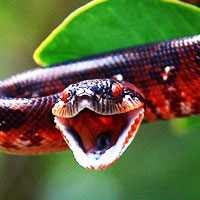
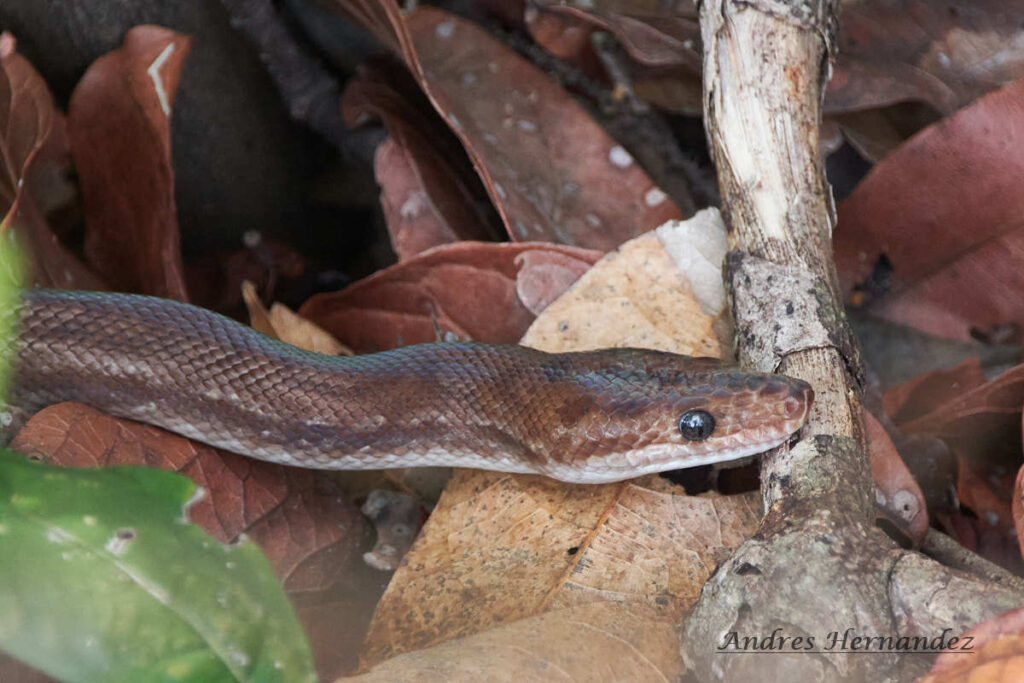
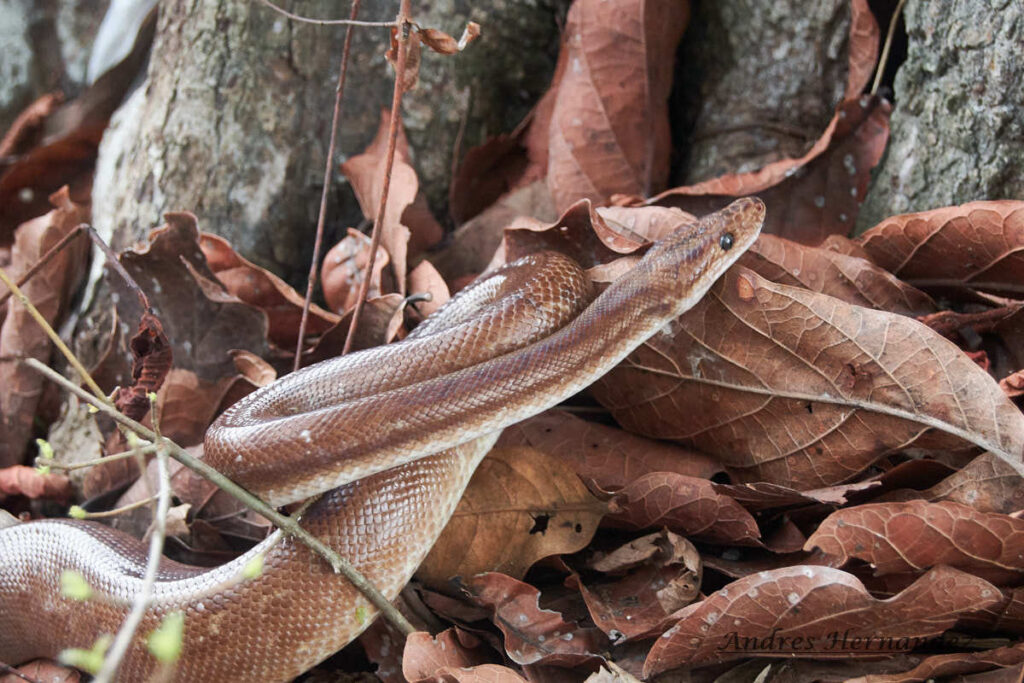
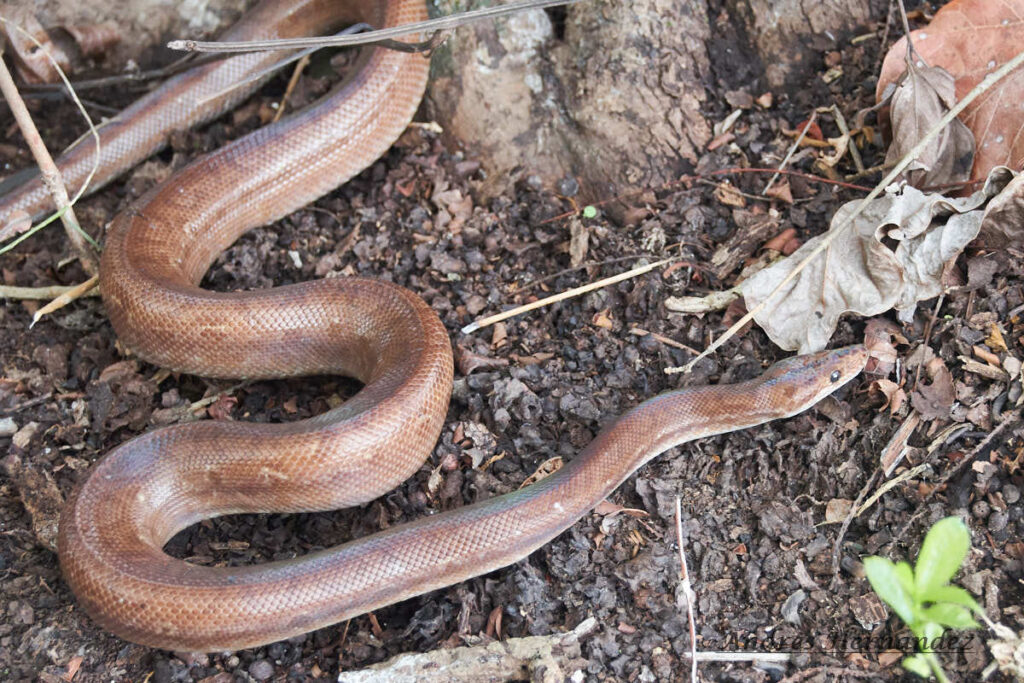
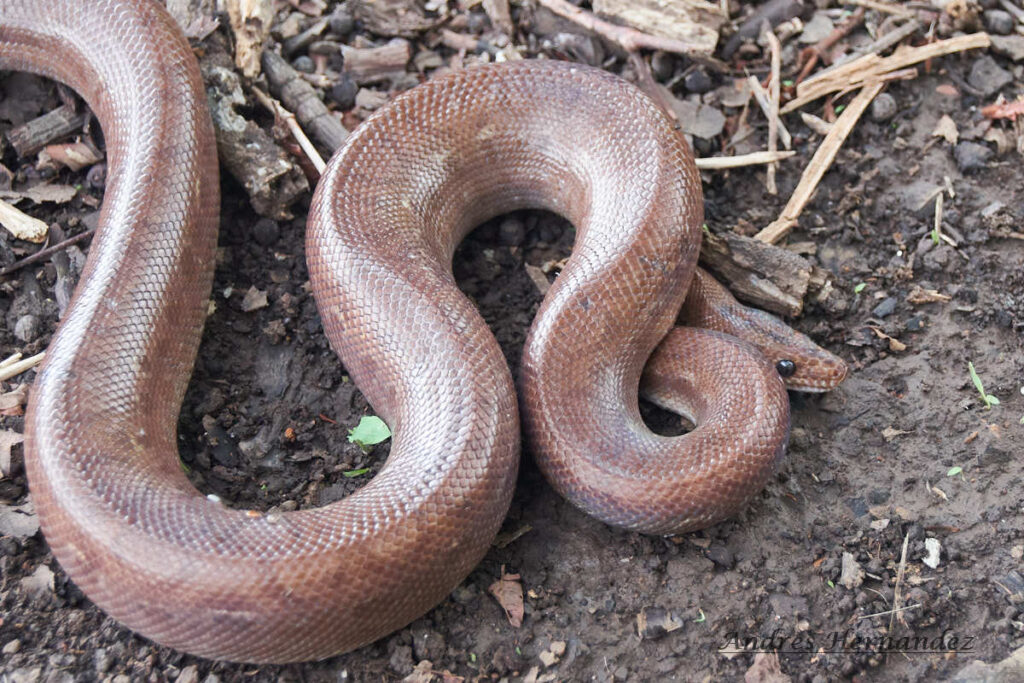
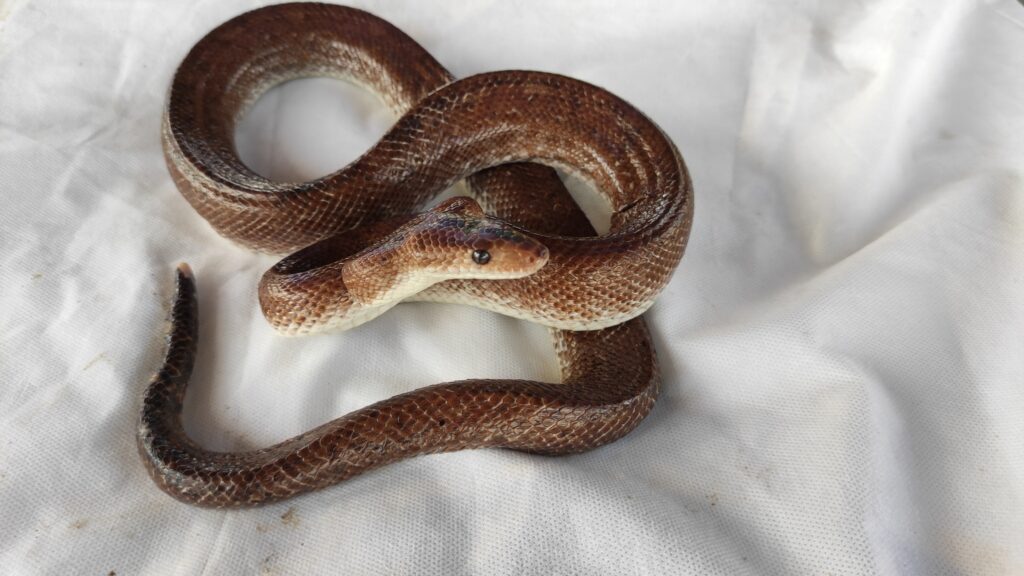
The scientific name for the Colombian Rainbow Boa is Epicrates maurus, and it belongs to the Boidae family. This species is known for its stunning iridescent scales, which reflect a rainbow-like sheen when exposed to light, making it a popular snake among reptile enthusiasts.
Scientific Name: Epicrates maurus
Snake Family: Boidae

Introduction to the Colombian Rainbow Boa
The Colombian Rainbow Boa (Epicrates maurus) is a stunning constrictor snake known for its iridescent scales that shimmer in light. Native to South America, particularly Colombia and surrounding regions, this non-venomous species is a favorite among reptile enthusiasts for its beauty and manageable size. These boas are relatively easy to care for, making them a great option for intermediate snake keepers.
Exploring the Natural Habitat of the Colombian Rainbow Boa
The Colombian Rainbow Boa thrives in tropical and subtropical regions of South America. It is commonly found in rainforests, along riverbanks, and in areas with high humidity. This environment provides the warmth and moisture essential for their survival.
To replicate their natural habitat in captivity:
- Provide a terrarium with consistent temperatures of 75-85°F, with a basking spot at 90°F.
- Maintain humidity levels between 70-80% to support healthy shedding and hydration.
- Use substrates like coconut fiber or cypress mulch that retain moisture well.
- Include climbing branches, hides, and a water dish large enough for soaking.
Below is a summary of their habitat needs:
| Habitat Requirement | Details |
|---|---|
| Temperature | 75-85°F (basking spot at 90°F) |
| Humidity | 70-80% |
| Substrate | Coconut fiber, cypress mulch |
What Does the Colombian Rainbow Boa Eat?
The Colombian Rainbow Boa is a carnivore, feeding primarily on small mammals, birds, and reptiles in the wild. In captivity, a diet of appropriately sized rodents is sufficient to meet their nutritional needs.
- Juveniles should be fed every 5-7 days.
- Adults can be fed every 10-14 days.
- Prey size should not exceed the widest part of the snake's body.
It is essential to offer pre-killed or frozen-thawed prey to prevent injuries. Always ensure fresh water is available for drinking and soaking.
The Fascinating Behavior and Temperament of the Colombian Rainbow Boa
Colombian Rainbow Boas are generally docile and easy to handle once acclimated. However, juveniles may be more defensive and prone to striking when startled. These nocturnal snakes are most active at night and prefer to hide during the day.
Key behavioral traits include:
- Nocturnal activity patterns with a preference for hiding during daylight hours.
- Docile temperament in adults, making them suitable for handling.
- Occasional defensive behavior in younger snakes, which diminishes with regular interaction.
Providing hides and minimizing disturbances will help reduce stress and promote a calm demeanor.
Ensuring a Healthy and Long Life for Your Colombian Rainbow Boa
With proper care, Colombian Rainbow Boas can live 20-25 years in captivity. However, their health can be compromised by poor husbandry practices or neglect.
Common health concerns and tips:
- Maintain proper humidity levels to prevent respiratory infections and incomplete shedding.
- Regularly inspect for mites, ticks, and other parasites.
- Ensure a varied and appropriate diet to avoid obesity or malnutrition.
Annual veterinary checkups and maintaining a clean environment will ensure your boa remains healthy and thrives for many years.
Breeding and Reproduction of the Colombian Rainbow Boa
Colombian Rainbow Boas are ovoviviparous, meaning they give birth to live young. Breeding usually occurs during cooler months, and females carry the young for a gestation period of approximately 120-150 days.
Reproductive facts:
- Females can produce 10-20 offspring per litter.
- Newborns are around 12-15 inches long at birth.
- Provide adequate hiding spots and a stress-free environment for breeding success.
Ensuring optimal conditions during breeding will promote the health of both the mother and her offspring.
Handling and Caring for Your Colombian Rainbow Boa
Handling Colombian Rainbow Boas requires patience and care. Their calm nature makes them suitable for handling, but it's crucial to avoid stressing the snake.
Handling tips:
- Support the entire body during handling to make the snake feel secure.
- Avoid sudden movements to prevent startling the snake.
- Refrain from handling for 48 hours after feeding to allow proper digestion.
By providing consistent and gentle interaction, you can build trust with your boa, ensuring a positive and enriching experience for both you and your pet.
Other Snakes In This Species
 Argentine Boa
 Calabar Burrowing Boa
 Colombian Rainbow Boa
 Common Boa
 Cooks Tree Boa
 Cuban Boa
 Desert Rosy Boa
 Desert Sand Boa
 Dumeril Boa
 Egyptian Sand Boa
 Emerald Tree Boa
 Haitian Boa
 Hog Island Boa
 Madagascar Ground Boa
 Madagascar Tree Boa
 Pacific Boa
 Red Sand Boa
 Rough-scaled Sand Boa
 Rubber Boa
 True Red Tail Boa
 Western Rainbow Boa