
Everything You Need to Know About Argentine Boas
The scientific name of the Argentine Boa is Boa constrictor occidentalis. It belongs to the Boidae family, which is commonly known as the boa family.
Scientific Name: Boa constrictor occidentalis
Snake Family: Boidae
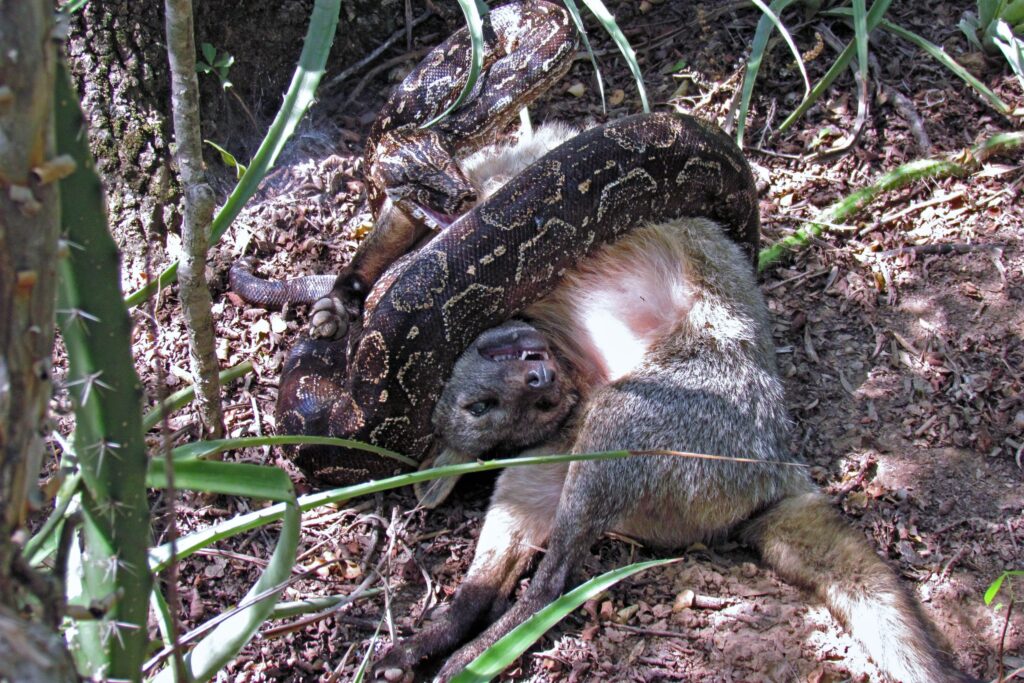
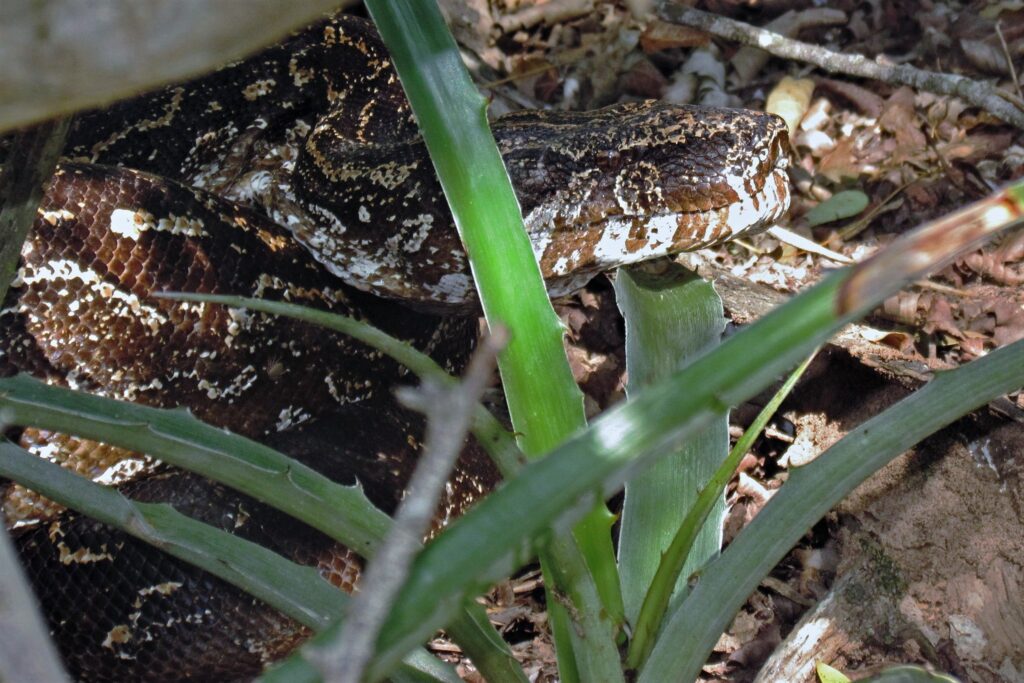
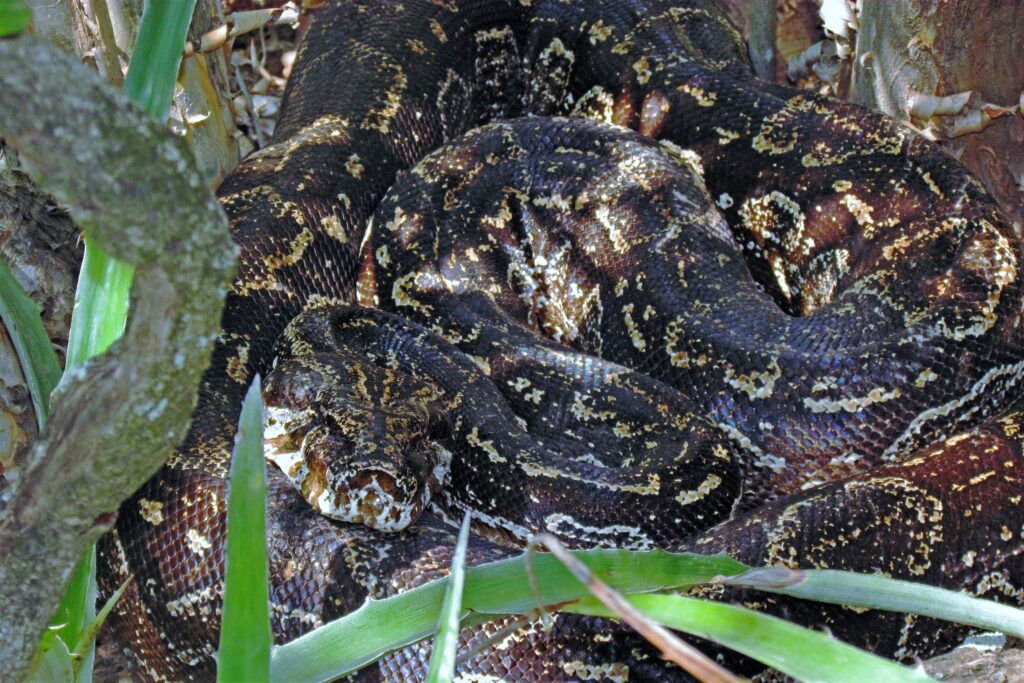
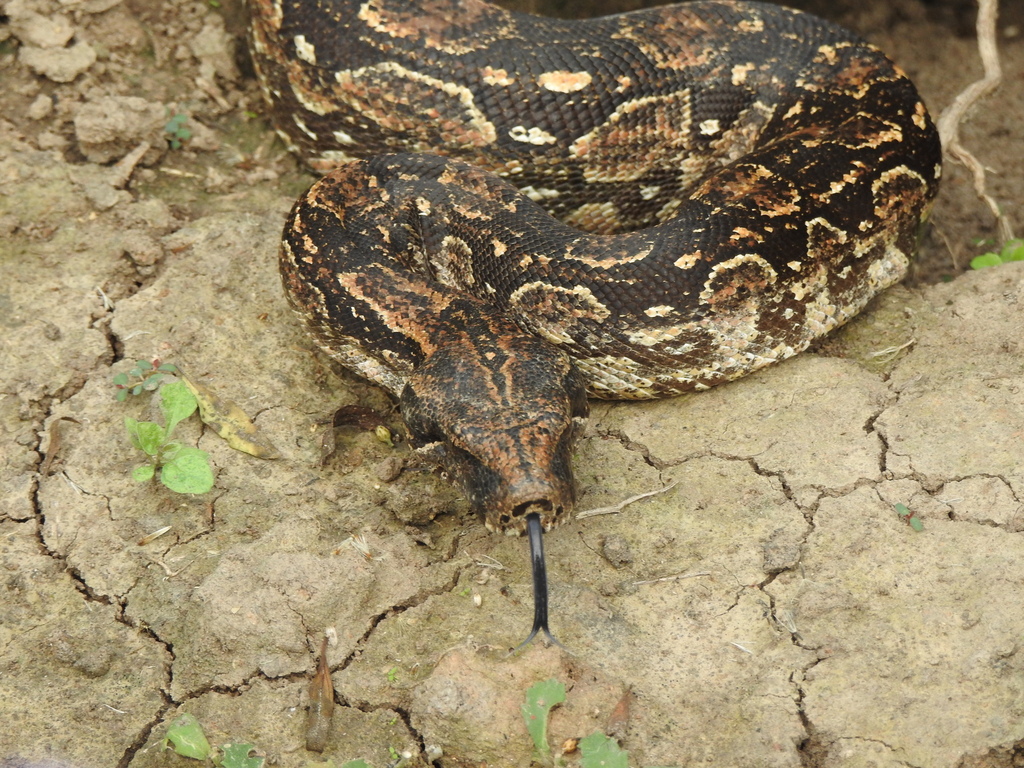
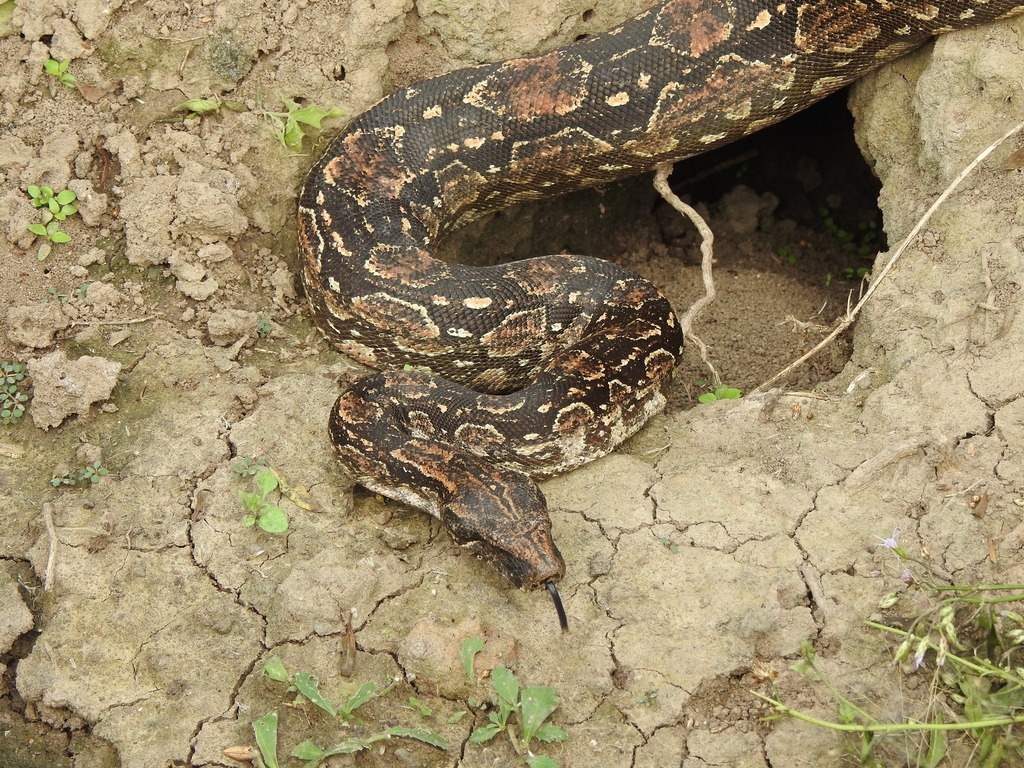
Discover the Fascinating Argentine Boa: Everything You Need to Know
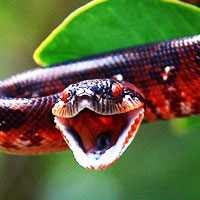
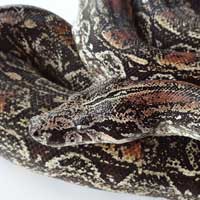
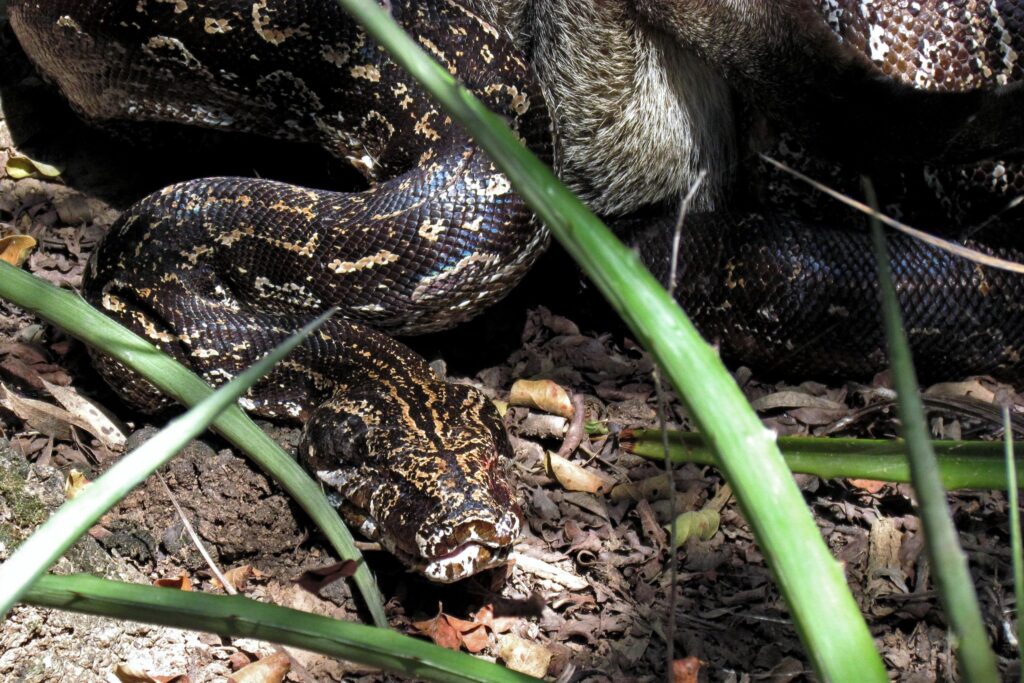
The Argentine Boa (Boa constrictor occidentalis) is a captivating species of snake native to South America. Known for its impressive size, distinctive markings, and non-venomous nature, the Argentine Boa is a popular choice among reptile enthusiasts and collectors. These snakes can grow up to 13 feet in length and are known for their strong constriction abilities, making them effective predators in the wild. If you're interested in adding an Argentine Boa to your collection or simply want to learn more, this guide will cover essential information about their habitat, diet, behavior, health, reproduction, and care.
Where Do Argentine Boas Live? Understanding Their Natural Habitat
The Argentine Boa is primarily found in the northern and central regions of Argentina, and can also be spotted in surrounding countries such as Bolivia and Paraguay. These snakes are typically found in a variety of environments, including forests, grasslands, and scrublands. They are known to thrive in areas with abundant cover such as dense vegetation or rocky outcrops, which provide shelter and hunting grounds.
Here is a brief breakdown of the key features of the Argentine Boa's natural habitat:
- Climate: Warm, subtropical to tropical regions with moderate rainfall.
- Geographical Location: Central and northern Argentina, as well as parts of Bolivia and Paraguay.
- Habitat Preferences: Forests, grasslands, and scrublands with plenty of hiding spots.
Due to their preference for a variety of habitats, Argentine Boas are adaptable to different types of terrain, from lowlands to foothills.
What Do Argentine Boas Eat? Their Diet and Feeding Habits
The Argentine Boa is an opportunistic predator, feeding on a variety of small to medium-sized animals in the wild. Their diet mainly consists of:
- Rodents (such as rats and mice)
- Birds and their eggs
- Reptiles, including smaller snakes and lizards
- Occasionally, amphibians or other small mammals
Argentine Boas are non-venomous constrictors, meaning they kill their prey by wrapping around it and applying pressure until the animal suffocates. They can consume prey larger than their head by stretching their jaws and swallowing it whole.
In captivity, Argentine Boas are often fed rats, mice, and occasionally rabbits, depending on their size. The frequency of feeding depends on their age and activity level, but it is generally recommended to feed them every 1-2 weeks. Here is a helpful feeding chart for Argentine Boas:
| Age | Feeding Frequency | Meal Size |
|---|---|---|
| Juvenile | Once a week | Small to medium-sized rats |
| Subadult | Once every 10-14 days | Medium-sized rats |
| Adult | Once every 2-3 weeks | Large rats or rabbits |
The Behavior and Temperament of Argentine Boas: What You Need to Know
Argentine Boas are generally known for their calm and docile nature, which makes them popular pets among reptile enthusiasts. While they are non-venomous and not typically aggressive, they can display defensive behavior if they feel threatened.
These boas tend to be more active at night (nocturnal) and often spend their time resting in tree branches, under rocks, or in vegetation during the day. However, Argentine Boas can also be quite social, and some individuals enjoy interaction with their owners.
- Temperament: Typically calm and docile, but can become defensive if startled.
- Behavior: Nocturnal and arboreal, with a preference for climbing.
- Socialization: Can be trained to tolerate handling, but it's important to approach them gently.
When handling an Argentine Boa, it’s best to move slowly and avoid sudden movements. They are intelligent and can recognize their caretakers over time, allowing for a more positive interaction.
Health and Lifespan of the Argentine Boa: Keeping Them Healthy for Years
Argentine Boas are generally healthy snakes with a lifespan of 20 to 30 years in captivity if cared for properly. However, like all reptiles, they are susceptible to certain health issues that can affect their well-being.
Common health problems include:
- Respiratory infections: Often caused by poor humidity or improper temperatures.
- Mites or ticks: External parasites that can infest the snake's skin.
- Scale rot: A condition where the scales begin to peel or rot, often due to excess humidity or poor husbandry.
- Obesity: Overfeeding can lead to obesity, which impacts the snake's overall health.
Maintaining proper temperature, humidity, and cleanliness in the enclosure is essential for preventing these issues. Regular vet check-ups are also recommended for optimal health.
The lifespan of an Argentine Boa can be extended with good care, appropriate feeding, and ensuring that their environment remains clean and safe.
Reproduction of Argentine Boas: How They Breed and Give Birth
Argentine Boas are ovoviviparous, meaning they give birth to live young rather than laying eggs. Breeding typically occurs in the spring, with the males courting the females through scent trails and physical displays.
The female will then carry the fertilized eggs inside her body for several months before giving birth to a litter of 15-60 baby snakes, depending on the size and health of the female. The newborns are fully independent upon birth, able to hunt and fend for themselves.
- Breeding season: Typically occurs during the spring months.
- Litter size: Can range from 15 to 60 young.
- Gestation period: Usually lasts 4-6 months before live birth.
Once born, the babies are independent and begin hunting small prey. They will grow rapidly during the first few years of life. It's important to note that breeding should only be attempted by experienced keepers who can handle the potential complexities of reproduction in captive environments.
Handling and Care Tips for Your Argentine Boa
Caring for an Argentine Boa requires creating a suitable environment and meeting their physical and dietary needs. To ensure a happy and healthy snake, it is important to maintain the following factors:
- Enclosure size: A large enclosure (minimum 6 feet in length for adults) with secure lid.
- Temperature: Maintain a gradient between 75°F and 90°F, with a basking spot reaching 95°F.
- Humidity: Keep the humidity between 50-60%, with a higher range during shedding periods.
- Substrate: Use materials like aspen bedding, cypress mulch, or paper towels for easy cleaning.
- Regular feeding: Feed them appropriate-sized prey based on their age and size.
- Handling: Handle with care, especially while they are acclimating to their new home. Slowly introduce handling sessions to prevent stress.
By following these guidelines, you can create a comfortable environment that ensures your Argentine Boa thrives. Remember that regular cleaning, proper nutrition, and attention to their behavioral cues are key to successful care.
Other Snakes In This Species
 Argentine Boa
 Calabar Burrowing Boa
 Colombian Rainbow Boa
 Common Boa
 Cooks Tree Boa
 Cuban Boa
 Desert Rosy Boa
 Desert Sand Boa
 Dumeril Boa
 Egyptian Sand Boa
 Emerald Tree Boa
 Haitian Boa
 Hog Island Boa
 Madagascar Ground Boa
 Madagascar Tree Boa
 Pacific Boa
 Red Sand Boa
 Rough-scaled Sand Boa
 Rubber Boa
 True Red Tail Boa
 Western Rainbow Boa