Trans-Pecos Rat Snake
Scientific Name: Elaphe Subocularis
Share this Post
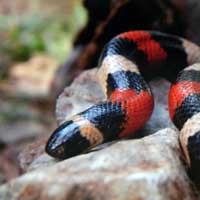
Trans-Pecos Rat Snake is a reptile commonly identified with the scientific name Bogertophis subocularis. Its common names include Trans-Pecos Rat Snake, Trans-Pecos Snake. It is a small beautiful non-venomous reptile and a native of the Chihuahuan desert. It has become common in pet trade. An adult measures between 0.8 to 1.2 meters. The reptile is easy to hold since it is neither too long nor too short. It thrives well at night and feeds on rats and mice. It is hard to locate in the wild in daylight. The skin coloration is not bright and friendly for breeders and species collectors.
Trans-Pecos Rat Snakes Are Beautiful Creatures
Facts About Trans-Pecos Rat Snakes
Geographic Location
Trans-Pecos Rat Snake is encountered in the deserts of Texas, Mexico, and in some portion of the New Mexico around El Paso.
Habitat
Trans-Pecos Rat Snake inhabits dry and rocky terrains, valleys and basins, desert slopes, acacia, and cool most regions of woodlands. This reptile spends most of its daylight dug underground or in crevices. It lives in bushy slopes and desert lands where they feed on small mammals and birds.
Behavior
The reptile is gentle and calm and seldom bites. It is relatively docile making it better for captivity. The Trans-Pecos Rat Snake does not mind being held in the palm and take time to get accustomed to individuals.
Reproduction
Trans-Pecos Rat Snake mates and breeds in May towards June. The female lays eggs at the start of July and extends to September. The incubation period lasts for a period of three months and lays a clutch of about eleven snakes are hatched. The young ones measure approximately 28cm to 33 cm. since they are born during winter season; the young ones remain underground for several months for warmth and protection.
Captivity
Trans-Pecos Rat Snake tames well if handled with proper husbandry. It grows fast within a year if well fed. The juveniles do not get used to people faster thus, one has to handle them frequently to create a healthy bond.