
Everything You Need to Know About the Radiated Rat Snake
The Radiated Rat Snake, scientifically known as Coelognathus radiatus, belongs to the Colubridae family, which is the largest family of snakes, encompassing a diverse range of non-venomous and mildly venomous species recognized for their adaptability and extensive distribution across various habitats worldwide.
Scientific Name: Coelognathus radiatus
Snake Family: Colubridae
Introduction to the Radiated Rat Snake
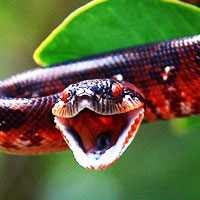
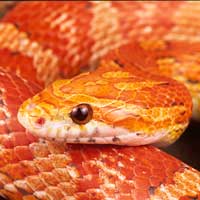
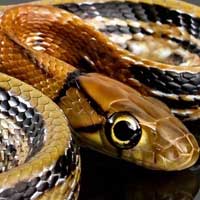
The Radiated Rat Snake (*Coelognathus radiatus*), also known as the Copperhead Rat Snake, is a non-venomous species native to Southeast Asia. Recognized for its striking radiated pattern and copper-colored head, this snake is popular among enthusiasts for its unique appearance and manageable size. With proper care and attention, the Radiated Rat Snake can thrive in captivity, making it an excellent pet for experienced keepers.
Designing the Perfect Habitat for the Radiated Rat Snake
Creating a habitat that mirrors the natural environment of the Radiated Rat Snake is essential for its health and comfort. Key habitat elements include:
- Enclosure Size: Provide a minimum of a 40-gallon tank for adults to ensure sufficient space for movement.
- Temperature Gradient: Maintain daytime temperatures of 75-85°F with a basking spot at 90°F, and nighttime temperatures of 70-75°F.
- Humidity: Keep humidity levels between 60-80%, achievable through misting and a water dish.
- Substrate: Use coconut fiber, cypress mulch, or aspen shavings to mimic their natural environment.
- Enrichment: Include climbing branches, hides, and rocks to encourage natural behaviors such as climbing and burrowing.
Refer to the table below for a quick habitat setup guide:
| Habitat Element | Specifications |
|---|---|
| Enclosure Size | 40+ gallons |
| Temperature | 75-85°F (day), 70-75°F (night) |
| Humidity | 60-80% |
| Substrate | Coconut fiber, cypress mulch, aspen shavings |
Feeding the Radiated Rat Snake: Diet and Guidelines
The Radiated Rat Snake is a carnivorous species with straightforward dietary needs. Feeding recommendations include:
- Juveniles: Feed pinky mice every 5-7 days.
- Subadults: Offer small to medium-sized mice every 7-10 days.
- Adults: Provide adult mice or small rats every 10-14 days.
- Prey Type: Use pre-killed prey to avoid injuries during feeding.
- Hydration: Always ensure fresh water is available in a shallow dish.
Consistency in feeding and portion sizes supports healthy growth and activity levels in your snake.
Understanding the Behavior and Temperament of the Radiated Rat Snake
The Radiated Rat Snake is known for its active and curious nature. Key behavioral traits include:
- Activity Level: These snakes are diurnal, meaning they are most active during the day.
- Climbing Abilities: They are excellent climbers, so vertical space and enrichment are essential.
- Defensive Behavior: While generally calm, they may exhibit defensive behaviors such as tail vibrating or hissing when threatened.
- Stress Indicators: Signs such as excessive hiding or refusal to eat may indicate stress or unsuitable conditions.
Providing a secure and enriched environment helps reduce stress and encourages natural behaviors.
Health and Lifespan of the Radiated Rat Snake
With proper care, the Radiated Rat Snake can live 15-20 years in captivity. Key health considerations include:
- Common Health Issues: Respiratory infections, mite infestations, and improper shedding are common concerns.
- Preventative Measures: Maintain stable temperature and humidity levels, and keep the enclosure clean and well-ventilated.
- Veterinary Care: Schedule regular check-ups with an exotic animal veterinarian to ensure their health.
- Observation: Monitor for signs of illness, such as lethargy, loss of appetite, or wheezing.
Proactive care and regular observation ensure your snake remains healthy and thrives in captivity.
Reproduction and Breeding of the Radiated Rat Snake
Breeding Radiated Rat Snakes in captivity can be a rewarding endeavor. Key factors to consider include:
- Breeding Season: Typically occurs in spring after a winter cooling period.
- Clutch Size: Females lay 6-12 eggs per clutch.
- Incubation: Eggs should be incubated at 80-85°F for 50-60 days.
- Hatchling Care: Provide small enclosures and appropriately sized prey for juveniles.
Proper preparation and attention to environmental conditions are crucial for successful breeding.
Tips for Handling and Caring for the Radiated Rat Snake
Proper handling and care are essential for building trust and ensuring the well-being of your Radiated Rat Snake. Follow these tips:
- Handle your snake gently, supporting its entire body to minimize stress.
- Avoid handling immediately after feeding to prevent regurgitation.
- Maintain a clean and enriched enclosure to encourage natural behaviors.
- Monitor their health regularly and address any signs of stress or illness promptly.
- Provide consistent interaction to build trust and create a positive relationship with your snake.
With proper care and attention, the Radiated Rat Snake can become a rewarding and fascinating pet for years to come.
Other Snakes In This Species
 Aesculapian Rat Snake
 Amur Russian Rat Snake
 Bairds Rat Snake
 Black Rat Snake
 Chinese Twin-spotted Rat Snake
 Diadem Rat Snake
 Diones Rat Snake
 Eastern Fox Snake
 Everglades Rat Snake
 Four-lined Rat Snake
 Gray Rat Snake
 Great Plains Rat Snake
 Green Rat Snake
 Ladder Rat Snake
 Leopard Rat Snake
 Mandarin Rat Snake
 Radiated Rat Snake
 Steppes Rat Snake
 Texas Rat Snake
 Trans-Pecos Rat Snake
 Trinket Rat Snake
 Yellow Rat Snake