Bairds Rat Snake
Scientific Name: Elaphe Bairdi
Share this Post
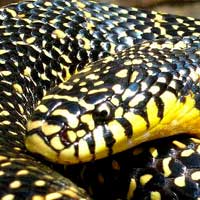
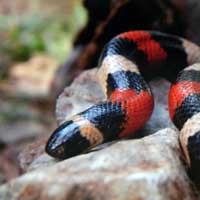
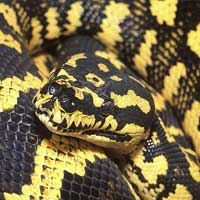
The Bairds Rat Snake, which has a lifespan of fifteen years, is a popular species for many pet snake keepers. Of moderate size, it is a shy gentle snake named after Spencer F. Baird a leading researcher at the Smithsonian Institute in the 19th century. Baird’s Rat Snake may grow to thirty-six to forty-eight inches in its adult stage and could be a large snake although there are likely to be slight variations in size. Youngsters appear light gray; have numerous cross bars and dark gray lateral spots. When mature they have four stripes that stretch the entire length of the body.
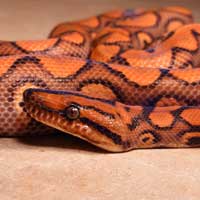
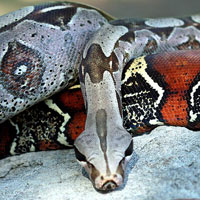
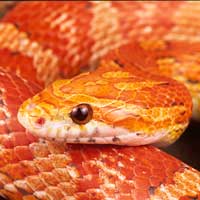
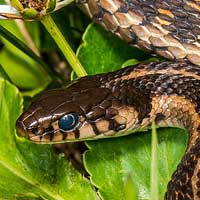
Bairds Rat Snakes Are Beautiful Creatures
Facts About Bairds Rat Snakes
Geographic Location
Baird’s Rat Snake resides in North America. It is predominant in Northern Mexico as well as Central Texas and its neighboring regions.
Habitat
Forested uplands appeal to the Bairds Rat Snake as do rocky canyons that may be woody. Arid scrublands are also favored by this rat snake subspecies while other rocky surfaces covered by different kinds of vegetation will also provide great hibernation areas.
Behavior
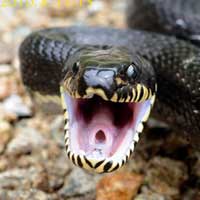
This snake is generally peaceful. However, continued harassment will elicit incessant hissing and may result in a vicious strike in self-defense. A wild Bairds Rat Snake may take time to calm down once captured. The Bairds Rat Snake is a nocturnal snake, which means that it is active in the night.
Reproduction
Baird’s Rat Snakes are an egg laying species snakes. The eggs hatch three months after they are laid and number about ten in each clutch.
Captivity
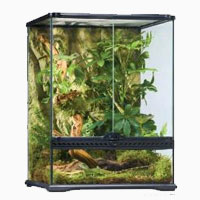
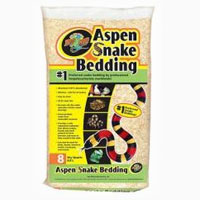
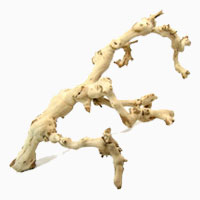
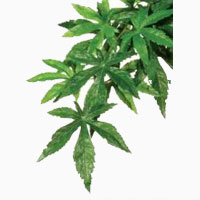
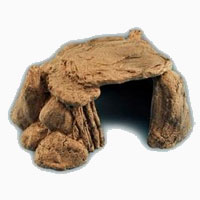
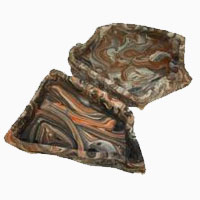
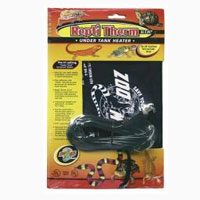
Baird’s Rat Snake should be kept in a medium sized aquarium with paper towels, newspapers or aspen bedding as substrate. Conditions must be kept dry at all times while temperatures should be maintained at 75F to 80F. The snake should be fed on mice in various sizes or portions depending on its age and body size.