
Ruthven’s Kingsnake: Everything You Need to Know About This Rare Reptile
The scientific name of Ruthven’s Kingsnake is Lampropeltis ruthveni. It belongs to the Colubridae family, which is the largest snake family and includes many non-venomous and mildly venomous species.
Scientific Name: Lampropeltis ruthveni
Snake Family: Colubridae
Introduction to Ruthven’s Kingsnake
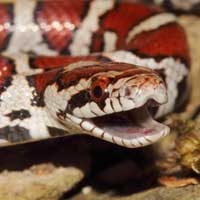
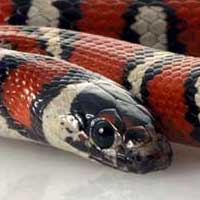
Ruthven’s Kingsnake (Lampropeltis ruthveni) is a rare and stunning non-venomous snake native to central Mexico. Known for its vibrant coloration and bold patterns, it is a prized species among reptile enthusiasts. Its calm temperament and manageable size make it an excellent choice for dedicated keepers looking for a unique addition to their collection.
Where Does Ruthven’s Kingsnake Live?
Ruthven’s Kingsnake is native to the rocky and semi-arid regions of central Mexico. This species thrives in habitats that provide ample cover and prey availability.
Preferred Habitat Features:
- Rocky outcrops and hillsides
- Scrublands and deserts
- Dry grasslands
- Forested edges and fields
| Region | Habitat Type | Key Features |
|---|---|---|
| Central Mexico | Rocky areas | Crevices, dry terrain |
| Chihuahuan Desert | Desert scrub | Sparse vegetation, sandy soil |
| Trans-Mexican Volcanic Belt | Grasslands | Open fields, abundant prey |
What Does Ruthven’s Kingsnake Eat?
Ruthven’s Kingsnake is a carnivorous predator with a diet that reflects its opportunistic feeding habits. In the wild, it consumes a variety of prey to meet its nutritional needs.
Common Diet:
- Rodents such as mice and small rats
- Lizards
- Birds and their eggs
- Other snakes
In captivity, feeding frozen-thawed rodents is the most practical and safe method. Juveniles should be fed every 5-7 days, while adults require feeding every 10-14 days. Ensure prey is appropriately sized to prevent choking or regurgitation.
Behavior and Temperament of Ruthven’s Kingsnake
Ruthven’s Kingsnake is known for its calm and inquisitive nature, making it a popular choice among reptile enthusiasts. While it is generally docile, it may display defensive behaviors when threatened.
Key Behavioral Traits:
- Non-aggressive and easy to handle
- Primarily nocturnal and active during twilight
- May hiss or coil when startled
- Curious and enjoys exploring its environment
With consistent, gentle handling, Ruthven’s Kingsnake adapts well to captivity and becomes more accustomed to human interaction.
Health and Lifespan of Ruthven’s Kingsnake
Ruthven’s Kingsnake is a hardy species with a lifespan of 15-20 years when cared for properly. Regular monitoring of its health and living conditions is essential for ensuring longevity.
Common Health Concerns:
- Respiratory infections caused by improper humidity
- Shedding problems due to low humidity
- Parasites, particularly in wild-caught specimens
Maintain a temperature gradient of 75-85°F, provide fresh water for hydration and soaking, and keep the enclosure clean to prevent health issues. Regular veterinary check-ups are also recommended.
Reproductive Traits of Ruthven’s Kingsnake
Ruthven’s Kingsnake is oviparous, laying eggs after mating. Reproduction typically occurs in the spring, with females laying eggs in early summer.
Reproductive Details:
- Mating season: Spring
- Clutch size: 4-10 eggs
- Incubation period: 50-70 days
- Hatchlings are independent at birth
In captivity, successful breeding requires simulating natural seasonal changes and providing a suitable nesting area. Eggs should be incubated at 82-85°F for optimal hatching.
How to Handle and Care for Ruthven’s Kingsnake
Proper care for Ruthven’s Kingsnake involves creating a secure and comfortable habitat while providing regular, gentle handling to reduce stress.
Handling and Care Tips:
- Handle gently and consistently to build trust
- Provide hiding spots and climbing structures in the enclosure
- Maintain proper humidity and temperature levels
- Offer a varied diet of appropriately sized prey
With the right care, Ruthven’s Kingsnake can thrive in captivity, offering years of enjoyment and fascination to its keeper.
Other Snakes In This Species
 Albino California Kingsnake
 Arizona Mountain Kingsnake
 Black Kingsnake
 Brooks Kingsnake
 California Kingsnake
 Desert Kingsnake
 Dot-Dash California Kingsnake
 Durango Mountain Kingsnake
 Eastern Kingsnake
 Florida Kingsnake
 Florida Mole Kingsnake
 Goins Kingsnake
 Gray Banded Kingsnake
 Mexican Black Kingsnake
 Mole Kingsnake
 Prairie Kingsnake
 Ruthvens Kingsnake
 Scarlet Kingsnake
 Speckled Kingsnake
 Utah Mountain Kingsnake
 Variable Kingsnake