Your Ultimate Guide to Understanding and Caring for the Cuban Boa
The Cuban Boa is scientifically named Chilabothrus angulifer. It belongs to the Boidae family, which comprises non-venomous constrictor snakes.
Scientific Name: Chilabothrus angulifer
Snake Family: Boidae
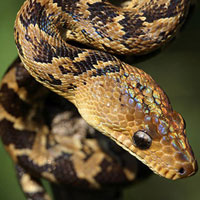
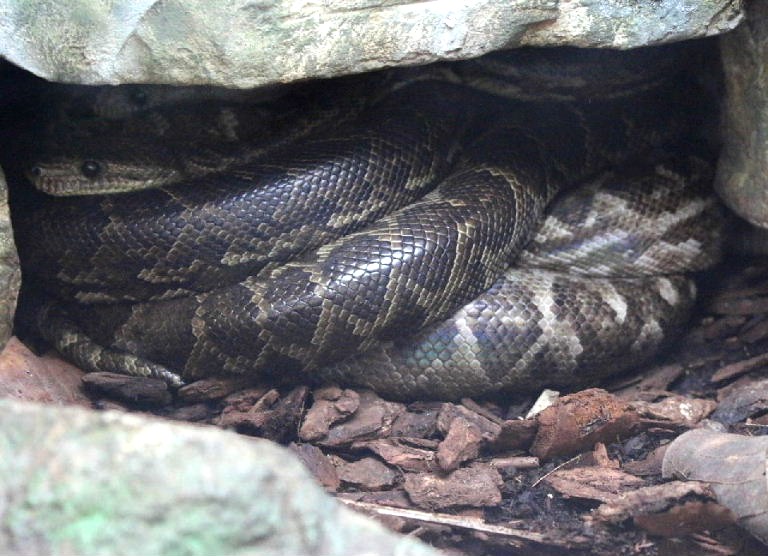
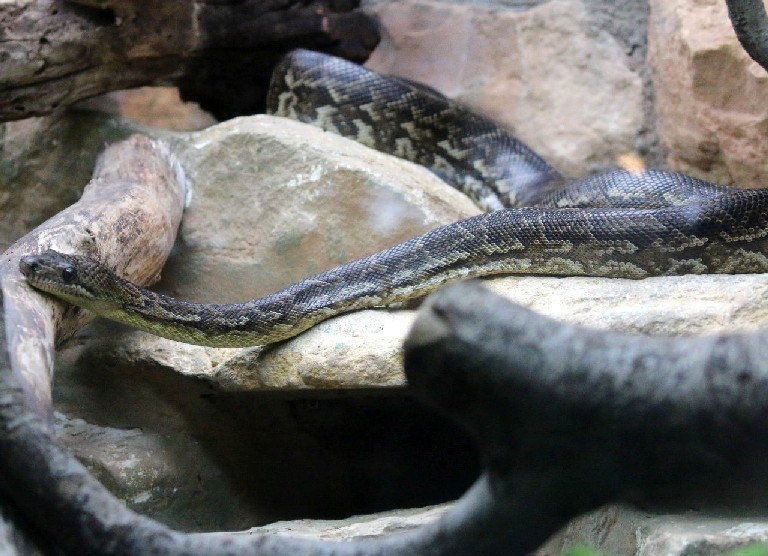
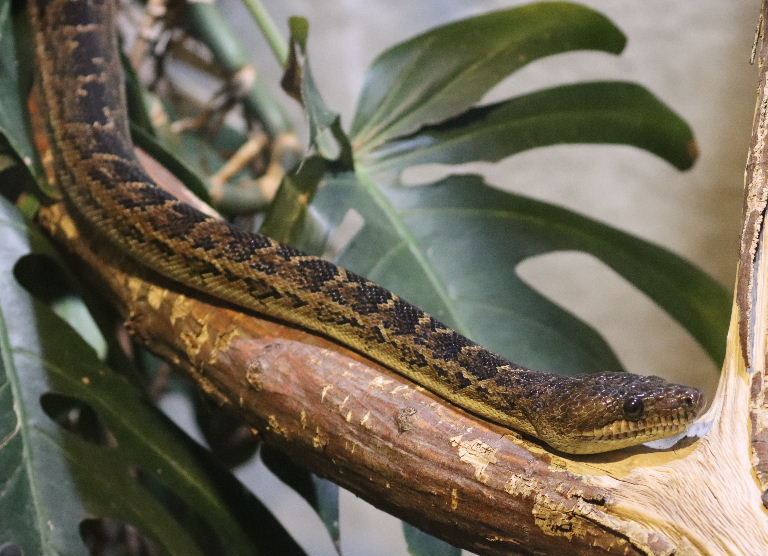
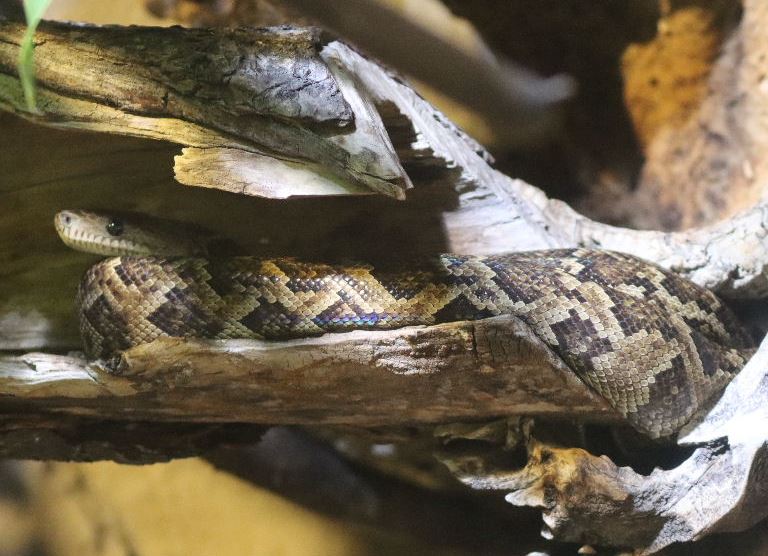
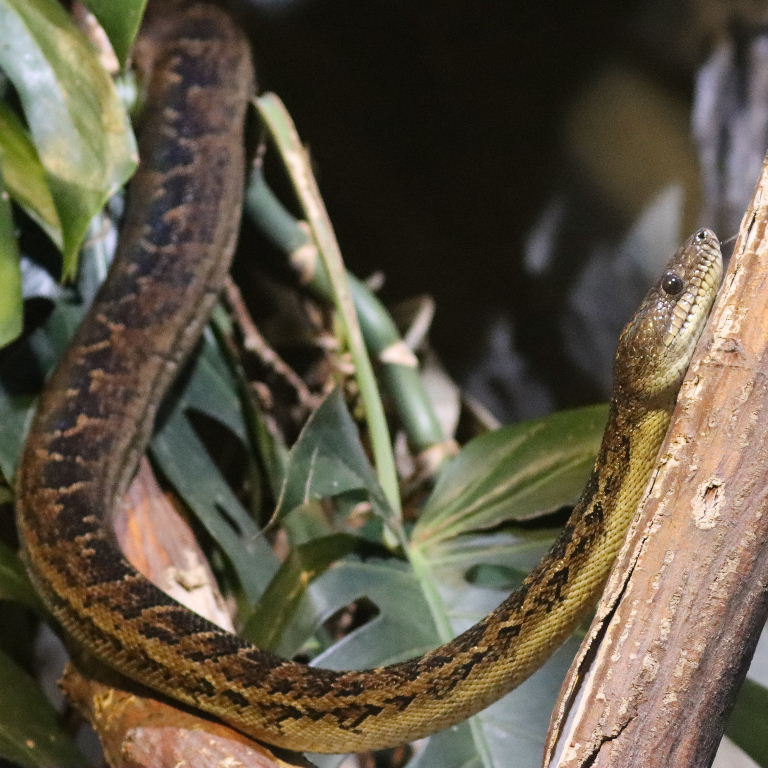
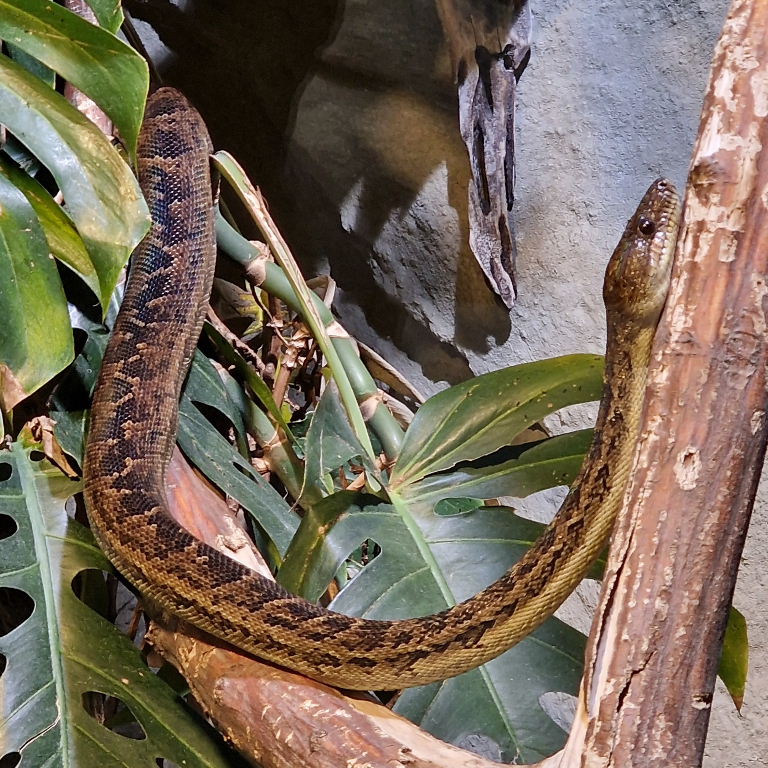
Cuban Boa: A Brief Overview
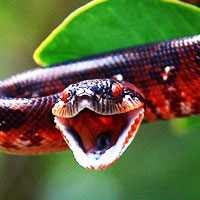
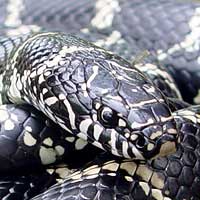
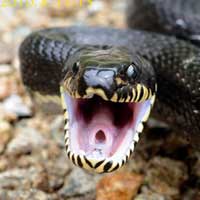
The Cuban Boa (Chilabothrus angulifer) is a mesmerizing species native to Cuba, known for its impressive size and captivating patterns. As the largest snake species on the island, it plays a critical role in its ecosystem as both predator and prey. The Cuban Boa is a non-venomous constrictor, relying on its strength to subdue its prey. This guide explores everything you need to know about this fascinating reptile, from its habitat and diet to its care requirements.
Where Do Cuban Boas Thrive? Exploring Their Natural Habitat
The Cuban Boa is primarily found in the diverse landscapes of Cuba, including forests, rocky terrains, and caves. These snakes are adaptable and can survive in both dry and humid environments, though they prefer areas with ample hiding spots and access to prey. Their nocturnal nature means they are often active at night, retreating to cooler, shaded locations during the day.
| Habitat Type | Characteristics |
|---|---|
| Forests | Dense vegetation, high humidity |
| Rocky Terrains | Dry, scattered rocks for hiding |
| Caves | Dark, cool, and moist |
Cuban Boa Diet: What Do These Snakes Eat?
The Cuban Boa is a carnivorous species, feeding primarily on small mammals, birds, and reptiles. In captivity, a carefully curated diet ensures their health and longevity. Feeding frequency and prey size should be tailored to the snake's age and size.
- Young Cuban Boas: Feed once every 5-7 days with appropriately sized prey such as mice.
- Adult Cuban Boas: Feed once every 10-14 days with larger prey like rats or quails.
- Ensure the prey is no larger than the widest part of the snake's body.
Understanding the Behavior and Temperament of the Cuban Boa
Cuban Boas are generally docile but can become defensive if they feel threatened. In the wild, they use their excellent climbing skills to hunt in trees and their powerful bodies to ambush prey on the ground. Captive Cuban Boas, when properly handled, can become quite accustomed to human interaction.
- Docile nature with proper handling
- Nocturnal activity patterns
- Powerful constrictors with keen hunting instincts
Caring for a Healthy Cuban Boa: Lifespan and Common Health Issues
Cuban Boas have an average lifespan of 20-30 years in captivity when cared for properly. Maintaining their health requires a clean habitat, appropriate humidity levels, and regular veterinary checkups. Watch for signs of common health issues like respiratory infections or mites.
| Health Issue | Symptoms | Prevention |
|---|---|---|
| Respiratory Infection | Open-mouth breathing, wheezing | Maintain proper humidity |
| Mites | Itching, visible mites | Regular habitat cleaning |
The Fascinating Reproduction of Cuban Boas
Cuban Boas are ovoviviparous, meaning they give birth to live young rather than laying eggs. Mating typically occurs during the spring, with females giving birth to litters of 10-30 offspring after a gestation period of about 4-6 months. The young are independent from birth and capable of hunting small prey.
- Reproductive Mode: Ovoviviparous
- Mating Season: Spring
- Average Litter Size: 10-30
Handling and Care Tips for the Cuban Boa
Proper handling and care are essential for the well-being of a Cuban Boa. Always approach the snake calmly and support its body fully when handling. Regular maintenance of its habitat, including cleaning and monitoring temperature and humidity, ensures a healthy environment.
- Provide a secure enclosure with a temperature gradient of 80-90°F.
- Include climbing branches and hiding spots in the habitat.
- Handle gently and infrequently to reduce stress.
Other Snakes In This Species
 Argentine Boa
 Calabar Burrowing Boa
 Colombian Rainbow Boa
 Common Boa
 Cooks Tree Boa
 Cuban Boa
 Desert Rosy Boa
 Desert Sand Boa
 Dumeril Boa
 Egyptian Sand Boa
 Emerald Tree Boa
 Haitian Boa
 Hog Island Boa
 Madagascar Ground Boa
 Madagascar Tree Boa
 Pacific Boa
 Red Sand Boa
 Rough-scaled Sand Boa
 Rubber Boa
 True Red Tail Boa
 Western Rainbow Boa